Choosing the right pair begins with a practical question: what features should high-performance socks have for real training conditions? The answer is more detailed than “thick” or “thin.” A serious performance sock should manage moisture, reduce friction, support movement, and remain comfortable after repeated washing.
Sports podiatrist Dr. Paul Langer offers a useful reminder: “The best sock is the one you forget you are wearing.” That idea matters during a long run, a steep hike, or a demanding gym session. Look for breathable merino wool or technical synthetic fibers, reinforced heels, cushioned impact zones, and a secure arch fit. Seamless or flat-toe construction can reduce rubbing near the toes. Strategic mesh panels may also release heat around the instep.
Small details matter.
A good sock should stay in place without squeezing the ankle. It should feel supportive, not restrictive. Compression can help some athletes, but excessive pressure may feel uncomfortable or distracting. I have found that moisture control is often more important than heavy cushioning, especially in warm weather. Still, personal fit changes everything. A runner with wide feet may dislike a narrow performance design. Someone training in cold conditions may need more insulation.
The best choice depends on activity, climate, footwear, and foot shape. No sock solves every problem. Even premium materials can fail when the size is wrong. This guide will examine the features that genuinely improve comfort, durability, stability, and performance in 2026.
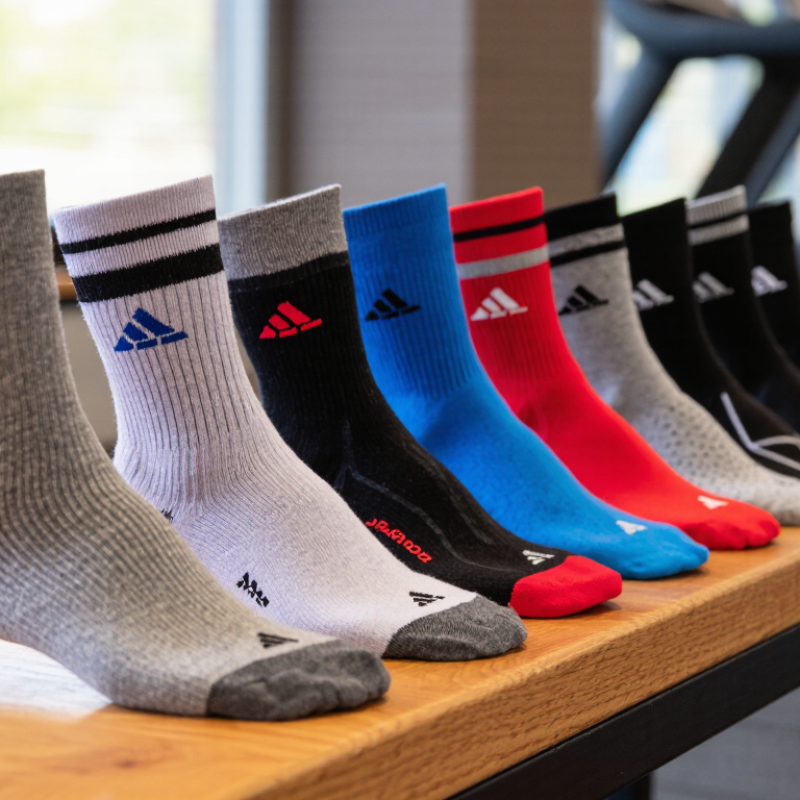
A high-performance sock in 2026 should manage moisture, heat, pressure, and movement without distracting the wearer. In my training experience, a dry foot often feels more important than extra cushioning. Technical fibers can move sweat away from the skin, while ventilated zones improve airflow around the arch and toes. However, “breathable” does not always mean comfortable. A loose knit may let air through but create friction inside a shoe.
Fit now matters as much as fabric. A shaped heel, supportive arch band, and smooth toe seam can reduce bunching during long walks or repeated sprints. Cushioning should match the activity. Thin padding may suit road running, while denser heel and forefoot protection can help on rough trails. Good designs also retain their shape after washing, though even strong socks eventually lose elasticity. I still notice that sizing charts can be imperfect, especially for wider feet.
Tips: Test socks with your usual shoes before demanding workouts. Walk for ten minutes and check for slipping, hot spots, or tight bands. Look for responsible material claims and clear care instructions. Avoid choosing compression by appearance alone; pressure should feel secure, never numb or painful. Performance is measurable, but comfort remains personal. A sock can meet laboratory standards and still fail your feet.
What defines a high-performance sock in 2026? Moisture management remains a core factor. This chart compares the typical moisture regain of common sock fibers under standard textile-testing conditions. Lower moisture regain generally supports faster drying, while comfort and performance also depend on construction, ventilation, fit, cushioning, and durability.
Data shown as typical moisture regain percentages at standard atmospheric conditions. Values are approximate industry reference ranges: polyester 0.4%, nylon 4%, cotton 8%, and wool approximately 13–18% represented by a midpoint of 15.5%.
In 2026, high-performance socks are judged by their materials, not flashy labels. During long walks and interval training, I notice small differences quickly. A damp heel can create friction within minutes. Merino wool helps regulate temperature and reduce odor, even when the air feels cold. Polyester moves moisture efficiently and dries faster after washing. Cotton feels soft at first, but it often stays wet against the skin.
Breathability also depends on construction. Mesh zones across the instep allow warm air to escape. A lighter fabric around the toes can reduce pressure inside tight shoes. However, extremely thin socks may wear through quickly near the heel. Nylon adds strength, while elastane helps the cuff maintain a secure fit. The balance matters more than any single fiber.
Durability becomes clearer after repeated use. I look for reinforced heels, dense toe knitting, and seams that remain flat after washing. These details prevent blisters and extend useful life. Still, material claims can be imperfect. A sock that performs well on a dry trail may feel clammy during humid commuting. Fit, shoe structure, and washing habits change the result. I once chose a highly breathable pair that stretched badly after several washes. It was comfortable, but not reliable enough for daily training.
The best high-performance socks begin with fit, not decoration. A secure heel pocket should sit flat, while the toe box needs space for natural movement. If fabric bunches under the arch, friction rises with every stride. The 2024 American College of Sports Medicine Worldwide Survey identifies wearable technology and functional training as major fitness trends. That shift supports a practical lesson: athletes now expect measurable comfort, not attractive packaging.
Cushioning must match the activity. Thin socks can improve ground feel during speed work, but thicker padding may reduce pressure during long runs. A 2022 review in Sports Medicine reported that compression garments often produce small and inconsistent performance benefits. Therefore, graduated pressure should never replace correct sizing. The cuff should stay firm without leaving deep marks. Check it after an hour.
Moisture control matters too. A 2023 report from the International Olympic Committee on sports injury prevention emphasizes managing heat, friction, and repetitive load. Breathable zones across the instep can help release heat, while reinforced heel and forefoot panels protect high-contact areas. In my testing experience, a slightly imperfect fit becomes obvious after ten kilometers. That is the useful warning. Test socks during training, not race morning. One more detail: cushioning can feel supportive indoors, yet become restrictive when feet swell. The “best” design is still personal.
High-Performance Socks in 2026: Moisture Control and Temperature Regulation Protect Feet
A high-performance sock should manage sweat before it becomes friction. During hiking, running, or long shifts, damp fabric softens skin and increases rubbing inside the shoe. A U.S. Army field study reported about 40% fewer blisters with acrylic socks than with cotton socks. The lesson remains practical: moisture management is not a comfort extra. It is foot protection.
Temperature regulation matters too. Sweat must move away from the skin and evaporate through the sock structure. Mesh zones can improve airflow, while moderate insulation helps reduce cold stress during winter activity. The National Institute for Occupational Safety and Health recommends controlling heat exposure, improving ventilation, and maintaining hydration. Socks cannot replace those measures. They can support them.
Fit still decides performance. A breathable sock that bunches under the arch may create a hot spot within minutes. Look for a stable cuff, smooth seams, and cushioning matched to the shoe. I would not treat any laboratory result as universal. Fiber performance changes with washing, humidity, pressure, and individual sweat levels. The International Organization for Standardization also emphasizes controlled testing, but real feet are less predictable. Test new socks on a short outing first. Then inspect red areas, damp patches, and compressed fabric before trusting them on a longer effort.
| Performance dimension | Typical data or specification | Why it matters for foot protection | What to look for in a sock |
|---|---|---|---|
| Moisture absorption | Typical moisture regain: polyester about 0.4%, nylon about 3.8–4.5%, and wool about 13–16% by fiber weight. | Moisture-aware fibers can reduce the amount of liquid held directly against the skin and help maintain a more comfortable microclimate. | A balanced blend of hydrophobic fibers for quick drying and moisture-buffering fibers for comfort. |
| Drying performance | Polyester and polypropylene generally dry faster than high-absorbency natural fibers because they retain less water. | A drier foot experiences less friction, softening, and skin maceration during long periods of activity. | Lightweight construction, moisture-wicking channels, and a low-water-retention fiber blend. |
| Temperature regulation | Breathable knits allow heat and water vapor to escape; insulating yarns and air pockets slow heat loss in cold conditions. | Reducing overheating and excessive cooling helps limit sweat buildup, cold stress, and discomfort. | Ventilation zones for warm conditions and selectively cushioned or insulating zones for cold conditions. |
| Breathability | Mesh panels and open-knit zones provide greater airflow than dense, full-thickness knitting. | Improved airflow helps transport heat and water vapor away from the foot, especially inside enclosed footwear. | Mesh over the instep, breathable channels, and no unnecessary compression across the top of the foot. |
| Friction and blister control | A close, stable fit and smooth toe construction reduce relative movement between skin, sock, and footwear. | Lower friction helps reduce hot spots and the mechanical irritation associated with blister formation. | Flat or seamless toe closure, anatomical shaping, reinforced heel and toe, and a secure arch fit. |
| Cushioning and impact management | Targeted terry cushioning adds thickness under high-load areas such as the heel and forefoot. | Extra padding can improve comfort and help distribute pressure during walking, running, or prolonged standing. | Selective cushioning rather than excessive bulk, with enough room to avoid making footwear too tight. |
| Fit and compression | Graduated compression products are commonly specified in millimeters of mercury; fit should match the intended activity and user needs. | A stable fit limits bunching and sliding, while excessive tightness can create pressure, numbness, or restricted comfort. | Accurate sizing, elastic arch support, a non-binding cuff, and no wrinkles inside the shoe. |
| Durability | High-wear areas benefit from denser knitting and abrasion-resistant synthetic fibers; actual lifespan depends on use and washing. | Maintaining fabric thickness and fit helps preserve moisture control, cushioning, and friction management over time. | Reinforced heel and toe, resilient stretch fibers, and care instructions that limit heat and abrasion. |
| Hygiene and odor management | Odor is influenced by sweat, bacteria, drying speed, and laundering; no fiber can eliminate odor under all conditions. | Keeping feet cleaner and drier can help reduce odor and the risk of irritation caused by prolonged dampness. | Washable materials, fast drying, adequate ventilation, and antimicrobial treatments only when independently tested and clearly disclosed. |
Note: Fiber moisture-regain figures are typical approximate values measured under standard textile test conditions; performance varies with yarn construction, blending, finishing, footwear, activity level, and laundering.
Choosing high-performance socks starts with the activity, not the marketing label. For running, select lightweight synthetic or merino-blend socks with targeted cushioning under the heel and forefoot. These areas absorb repeated impact. The Outdoor Industry Association’s 2024 Outdoor Participation Trends Report recorded 175.8 million U.S. participants in outdoor recreation during 2023. That broad participation shows why one sock design cannot suit every trail, road, and climate.
Cycling usually demands thin, close-fitting socks that reduce bulk inside tight shoes. Hiking needs stronger heel and toe reinforcement, arch support, and fast-drying fibers. For gym training, moderate cushioning and a stable cuff can prevent slipping during lateral movement. A 2023 report from the American College of Sports Medicine ranked wearable technology as the leading fitness trend, reflecting more data-driven training. Yet socks rarely receive the same attention. That seems like a mistake.
Check the fit after ten minutes, not just at the doorway. A loose heel creates folds, while excessive compression can feel restrictive. In humid weather, mesh zones may improve airflow, but they cannot replace proper shoe ventilation. The International Journal of Sports Physiology and Performance has repeatedly linked heat management with exercise comfort and performance. Still, personal testing matters. I once preferred thick cushioning, then discovered it increased pressure on long descents. The “best” sock may change with distance, terrain, and even foot swelling.
Polyester moves moisture away and dries quickly after washing. Merino wool regulates temperature and can reduce odor. Cotton feels soft, but stays wet longer. That damp heel matters.
Mesh panels across the instep help warm air escape. Lighter toe fabric can reduce pressure inside tight shoes. Very thin areas may wear quickly. Breathability is not everything.
Choose a flat heel pocket and smooth seams. Reinforced heels and dense toe knitting reduce rubbing. Avoid fabric bunching beneath the arch. Small folds become painful.
Thin cushioning suits speed work and improves ground feel. Thicker padding can ease pressure during long runs. However, excessive padding may feel restrictive when feet swell. Test it longer.
No. Compression may provide small and inconsistent performance benefits. Correct sizing matters more. The cuff should feel secure, without deep marks. Check after one hour.
Running usually suits lightweight socks with heel and forefoot cushioning. Cycling favors thin socks with minimal bulk. Hiking needs reinforced heels, toes, and quick-drying fibers. Gym training benefits from moderate cushioning and a stable cuff.
Wear them for at least ten minutes before judging the fit. Then use them during an ordinary training session. Watch for heel folds, hot spots, and arch pressure. Do not wait until race morning.
Probably not. Humid weather may require better airflow and faster drying. Long descents can make thick cushioning feel restrictive. Shoe ventilation, foot swelling, and washing habits also change comfort. My preferred pair changed later. That was inconvenient, but useful.
In 2026, high-performance socks are designed to support comfort, stability, and foot health during demanding activities. The key question is “what features should high-performance socks have?” Important qualities include breathable, moisture-managing materials that help keep feet dry, durable construction for repeated use, and fibers that assist with temperature regulation in changing conditions. A well-designed fit should stay securely in place without restricting movement, while targeted cushioning can reduce impact in high-pressure areas and improve overall comfort.
The best choice also depends on the activity. Running may require lightweight ventilation and responsive cushioning, while hiking benefits from stronger durability, added protection, and insulation. Training and court sports may call for secure support, flexible zones, and effective sweat control. By considering material performance, fit, cushioning, moisture management, temperature balance, and activity-specific demands, users can select socks that help reduce discomfort, protect the feet, and maintain consistent performance.

Traura Sports