When venturing into the great outdoors, choosing the right gear is crucial. One of the most important pieces of equipment is your socks. As outdoor expert Dr. Emily Hart states, "The right socks can make or break your hiking experience." This fact brings us to the question: what socks are suitable for hiking and outdoor activities?
Hiking socks should be designed for comfort and functionality. Look for moisture-wicking materials that keep your feet dry. Wool and synthetic blends offer warmth and breathability. Cushioned soles can provide extra support during long treks. However, not all socks fit every foot. Exploring different brands and styles is essential to find what works best for you.
It's easy to overlook the importance of socks. Many hikers prioritize shoes and gear, yet neglect their socks. This often leads to blisters and discomfort. Pay attention to how your socks fit. An ill-fitting sock can affect your overall hiking experience. Take the time to investigate and choose wisely, ensuring your next adventure is enjoyable.
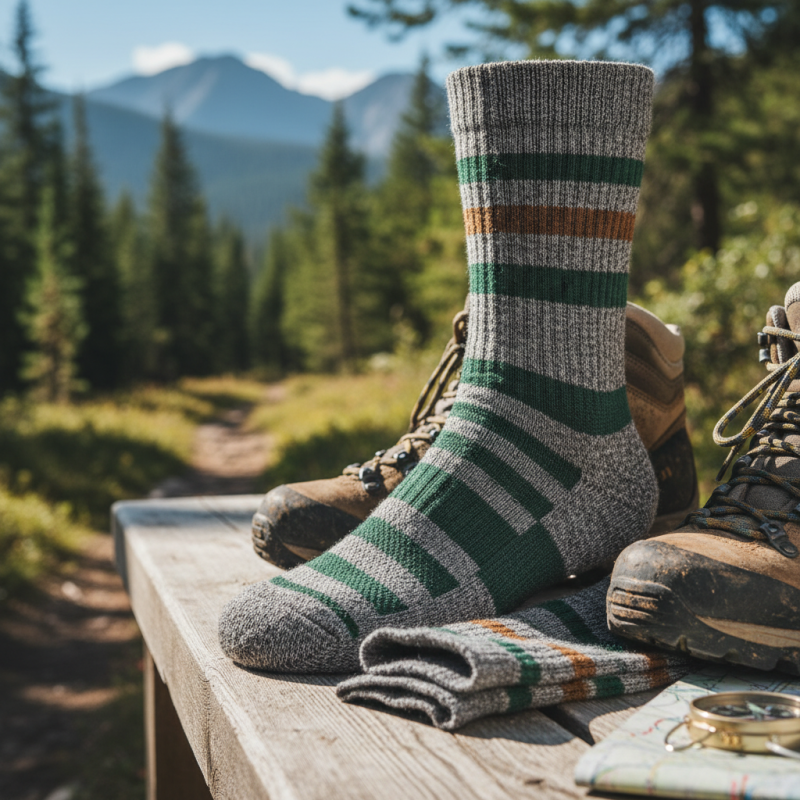
When selecting hiking socks, the material plays a crucial role in comfort and performance. Wool, known for its warmth and moisture-wicking properties, is popular among hikers. A study from the American Hiking Society indicates that wool can retain heat even when wet, making it ideal for colder conditions. Additionally, it offers natural odor resistance, which can be a game-changer on long treks.
Synthetic materials, on the other hand, are designed to enhance breathability and drying speed. Fabrics like polyester and nylon provide excellent durability and moisture management. According to a report by the Outdoor Industry Association, synthetic socks can dry up to three times faster than wool. This feature is particularly beneficial in warmer climates or during intense physical activities. However, they may not offer the same level of warmth as wool.
Blends combine the advantages of both materials. This approach allows hikers to benefit from the insulation properties of wool and the quick-drying benefits of synthetics. Yet, finding the right balance can be tricky. Some hikers report that blends can wear out quicker than pure materials. Ultimately, choosing the best hiking sock material depends on individual preferences, intended use, and environmental conditions. Testing different options is essential for finding that perfect fit.
| Material | Moisture Wicking | Durability | Insulation | Best Use |
|---|---|---|---|---|
| Wool | Excellent | High | Good | Cold Weather Hiking |
| Synthetic | Very Good | Moderate | Fair | Warm Weather Hiking |
| Blends | Good | High | Good | All-Weather Hiking |
When venturing into the wilderness, the right socks are crucial for comfort and performance. Moisture-wicking properties in hiking socks play a significant role in keeping your feet dry. Wet feet can lead to blisters and discomfort during long hikes. These specialized fabrics draw moisture away from the skin and allow for quicker evaporation. A sock that breathes well can enhance your hiking experience remarkably.
Consider the types of materials used in these socks. Merino wool, polyester, and nylon are popular choices. Each offers distinct benefits, such as durability and temperature regulation. However, not all socks are created equal. It's essential to find socks that fit correctly and offer adequate cushioning. Too tight, and you risk circulation problems; too loose, and friction becomes an issue. It’s worth experimenting to find the perfect balance for your unique foot shape.
In the end, the importance of moisture-wicking properties cannot be overstated. Exploring various options allows hikers to determine what works best for them. It’s a process of trial and error. Paying attention to how different socks perform on the trail will lead to better decisions in the long run. Your feet deserve the best protection and comfort while exploring nature.
When embarking on a long hike, the type of socks you choose can make or break your experience. Cushioning and support are critical factors. The thickness of your socks directly influences comfort over extended distances. Thick socks can provide additional padding, reducing friction and preventing blisters. However, this extra warmth may lead to sweaty feet, especially on warmer days.
Balancing thickness with breathability is key. Some hikers prefer extra-thick socks, believing they offer the best comfort. However, thinner options can work just as well, allowing for better moisture-wicking. A sock that's too thick might feel restrictive in your boots. Find a sock that fits snugly but not tightly.
Before committing to a pair, consider trying different thicknesses. A thicker sock may feel comfortable at first, but how will it perform after hours on the trail? Test your socks during shorter hikes. This allows you to gauge comfort levels and prevent future issues. Listening to your feet is crucial; they will let you know what works best.
Choosing the right hiking socks can make a significant difference in your outdoor experience. Evaluating fit and sizing is crucial for comfort. Ill-fitting socks can lead to blisters, sore spots, and discomfort. When selecting socks, consider the thickness, length, and material. A sock that is too thick may cause your boot to fit too tightly. Conversely, socks that are too thin might lack the padding necessary for long hikes.
Pay attention to the sock's heel and toe design. A well-fitted heel cup keeps the sock in place, reducing movement. Look for seamless toes to avoid unwanted friction. The sock should wrap snugly around your foot without feeling restrictive. When trying on socks, walk around or jump slightly to ensure they stay in place. Remember that your foot size can change throughout the day, especially after long periods of activity, so consider this when choosing size.
It's essential to reflect on your experience with different pairs. Some people may prefer wool for its moisture-wicking properties, while others might find it irritating. Compression socks might help some, but they can feel constricting for others. Be open to experimenting. The right fit may take time to discover, and it's okay to make mistakes along the way. Each pair of socks tells a story of trial, error, and ultimately, comfort.
When choosing hiking socks, performance matters. The material composition can significantly impact comfort and durability. Merino wool is often praised for its temperature regulation. Synthetic blends provide moisture-wicking properties. Additionally, a reinforced toe and heel add strength to reduce wear.
User ratings reveal varied experiences. Some hikers prefer thicker socks for cushioning, while others opt for lighter options to enhance breathability. Make sure to check elastic bands for arch support, as they can prevent slipping. Fit is crucial; socks should not bunch up or create pressure points.
Tips for selecting the right hiking socks: consider the climate you'll hike in. Avoid cotton, as it retains moisture. Try different brands to find the best fit for your foot shape. Pay attention to user reviews for insights on performance. Each sock style offers unique benefits, so testing them in short hikes can be insightful.
: Thickness affects comfort, cushioning, and support on long hikes. It can reduce friction, preventing blisters.
Yes, thick socks can lead to sweaty feet on warm days. They may also feel restrictive in boots.
Balance thickness with breathability. Consider personal comfort and the climate for your hike.
Try different thicknesses during shorter hikes. Assess comfort levels for longer adventures.
Merino wool is great for temperature regulation. Synthetic blends help with moisture-wicking.
Look for reinforced toe, heel, and elastic bands for arch support. Proper fit is essential to prevent bunching.
User ratings provide insights into performance and comfort. Experiences can guide you in selecting the right sock.
Yes, climate affects moisture retention. Avoid cotton socks as they retain moisture, leading to discomfort.
When selecting what socks are suitable for hiking and outdoor activities, it is essential to consider the right material. Options like wool, synthetic fabrics, and blends each have unique advantages that can enhance your hiking experience. Additionally, moisture-wicking properties are crucial as they help to keep your feet dry and prevent blisters.
Cushioning and support are also important factors; the thickness of the socks can significantly impact comfort on long hikes. A proper fit and sizing are vital in preventing discomfort and blisters, making it important to try on different options. Lastly, comparing performance and user ratings can help you find the best hiking socks that meet your needs, ensuring maximum comfort and performance during your outdoor adventures.

Traura Sports