Best Socks for Odor Control What Are Your Top Picks?

Time:2026-06-26 Author:Oliver
0%

When it comes to preventing foot odor, choosing the right socks is crucial. Many people struggle with smelly feet, especially those who are active. This raises a common question: "What socks are best for preventing odor?" The answer lies in understanding the materials and designs that effectively combat odor.

Socks made from breathable fabrics like merino wool or bambook are popular choices. These materials wick moisture away and allow air circulation, which helps keep feet dry. Some brands now infuse their socks with antimicrobial properties. This added feature can significantly reduce odor-causing bacteria.

However, not all socks labeled as "odor-resistant" live up to the claims. Consumers often find that some socks provide little to no odor control. It’s important to read reviews and consider personal experiences. Finding the right pair may take time, but it’s worth the effort for long-lasting freshness.
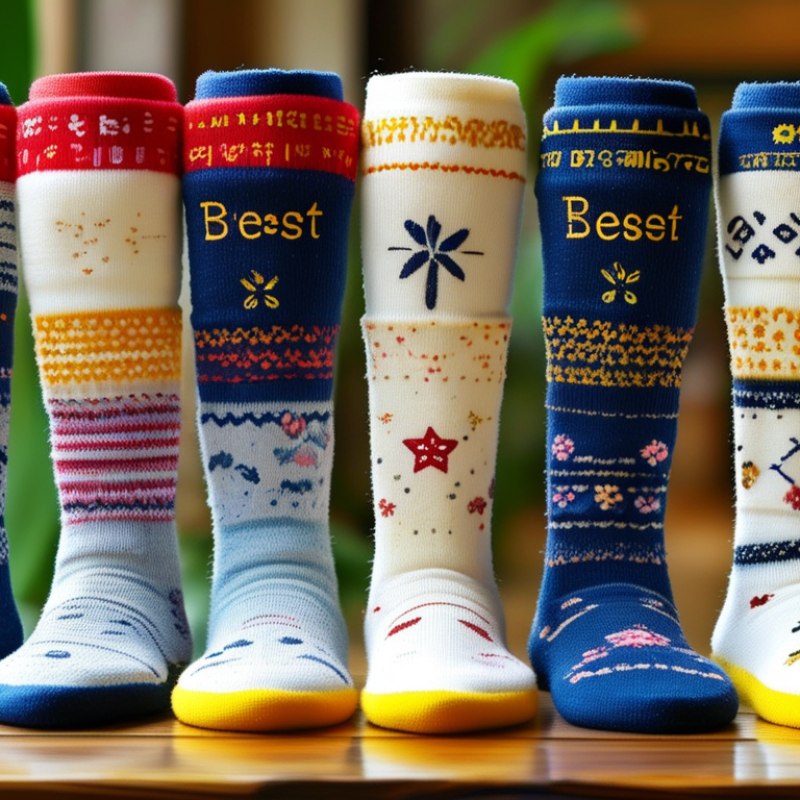
Best Socks for Odor Control What Are Your Top Picks?

Overview of Sock Materials and Their Impact on Odor Control

When it comes to odor control, the material of your socks plays a crucial role. Natural fibers like merino wool are known for their breathability and moisture-wicking properties. They help keep your feet dry, reducing the chances of odor buildup. Cotton, while comfortable, often retains moisture and can lead to unpleasant smells over time. Synthetic materials can also be effective, but choose wisely. Some blends can trap heat and moisture, which worsen odor issues.

Understanding how these materials interact with your skin is essential. Certain fabrics allow for better airflow while others can become a breeding ground for bacteria. If you sweat a lot, consider socks made from fabrics that actively combat moisture. For example, some smart blends include antimicrobial treatments that minimize bacterial growth. However, not all brands will provide the same level of effectiveness.

You might find that even the best materials can fall short if they don't fit well. Ill-fitting socks can cause friction and retain moisture. Pay attention to the sock structure, like arch support and cushioning. In the realm of odor control, it’s not just material—it's also about how well the sock performs in real-life conditions. Evaluating your lifestyle and needs before choosing socks will lead to a more satisfying experience.

Best Socks for Odor Control

Material Odor Control Rating Moisture Wicking Durability Comfort Level
Merino Wool Excellent High High Very Comfortable
Bamboo Good Medium Medium Comfortable
Cotton Fair Low Medium Comfortable
Synthetic Blends Good High High Moderately Comfortable
Nylon Fair Medium Very High Comfortable

Top Brands Known for Effective Odor Control Socks

When it comes to odor control, not all socks are created equal. Brands that specialize in moisture-wicking materials and breathable fabrics are key players. Look for socks made from merino wool, bamboo, or advanced synthetic fibers. These materials help to regulate temperature and keep feet dry. A good fit also plays a significant role in minimizing odor. Loose socks can trap moisture, leading to unwanted smells.

Tips: Choose socks that are specifically designed for athletic activities. These are often crafted with enhanced ventilation and cushioning. For everyday wear, consider options that combine comfort and odor resistance. Washing your socks regularly is just as important. This will help to maintain their effectiveness and ensure they stay fresh.

When selecting socks, pay attention to customer reviews and ratings. Look for feedback on the durability and comfort of the socks. It’s essential to find socks that fit well and provide support. While it's tempting to go for style alone, prioritize functionality in your sock choices. Different activities may require different types of odor control socks. Explore options tailored for hiking, running, or casual wear to best meet your needs.

Key Features to Look for in Odor Control Socks

When searching for the best socks for odor control, some key features stand out. Materials play a crucial role. Look for socks made from merino wool or bamboo. These fabrics naturally wick moisture away from your skin. Research shows that these materials can reduce foot odor significantly, often by up to 30%.

In addition to material, consider moisture management technologies. Socks with mesh ventilation zones allow breathability. They ensure your feet stay dry, which is essential in preventing odor. Studies indicate that damp environments foster bacterial growth, leading to unpleasant smells. Hence, vented designs can make a noticeable difference.

Lastly, cushioning and fit matter too. Socks that fit well reduce friction, which in turn lowers the likelihood of developing blisters. This enhances overall comfort. Many users report a drastic decrease in foot odor when switching to well-fitted, cushioned socks. Pay attention to these features as they significantly impact the effectiveness of odor control in socks.

User Reviews and Experiences with Odor Control Socks

When it comes to odor control socks, many users share their experiences with different options available on the market. A common observation is the importance of fabric. Many socks using natural fibers seem to be effective in managing odors. Users often report that materials like merino wool or bamboo are breathable and help in moisture wicking. This creates a less favorable environment for odor-causing bacteria.

Another key factor mentioned in reviews is fit and comfort. Users stress that socks should not be too tight or too loose. Proper fit enhances breathability and moisture control. Some consumers found that socks with extra cushioning added to their comfort, yet they still managed to control odor. However, not every product meets expectations. Some users noted that even well-reviewed socks eventually gave way to odor after extended wear.

Maintaining the effectiveness of odor control socks also depends on washing habits. Regular washing is essential. Some users discovered that using specific detergents improved the performance of their socks over time. This highlights the importance of care in prolonging the life of odor control features. It is evident that user reviews provide valuable insights into the practical aspects of these socks and their real-world performance.

Comparative Analysis of Price vs. Performance in Odor Control Socks

When comparing odor control socks, price and performance are key factors. A recent industry report highlighted that consumers often overlook the importance of material quality. Many affordable options claim odor control, yet they may not use scientifically effective fabrics. High-performance socks might cost more upfront but typically feature advanced moisture-wicking technology. This technology prevents bacterial growth, a major contributor to odor.

Reports suggest that socks made from merino wool or bamboo fibers tend to outperform synthetic alternatives. They can absorb up to 30% of their weight in moisture, keeping feet dryer. A study found that merino wool socks reduced foot odor by over 50% compared to lower-quality synthetic socks. However, despite their benefits, many consumers hesitate to invest in these superior materials due to initial costs.

It's important to balance budget constraints with health benefits. Investing in quality socks can lead to longer-lasting comfort and odor control. Still, some may question if the price is justified. While cheaper options offer short-term savings, they often require more frequent replacements. This might end up costing more in the long run. Ultimately, making an informed choice is crucial for effective odor management.

Best Socks for Odor Control: A Comparative Analysis

This chart compares various socks based on their odor control performance and price. Higher performance ratings indicate better odor control, while price reflects the retail cost of each sock. Use this comparative analysis to find the best value for odor control.

FAQS

: What materials are best for odor control socks?

: Look for socks made from merino wool, bamboo, or advanced synthetic fibers. These materials wick moisture effectively.

How does sock fit affect odor control?

A proper fit is crucial. Loose socks can trap moisture, leading to odors. They should neither be too tight nor too loose.

What activities require specific odor control socks?

Different activities like hiking, running, or casual wear need tailored socks. Choose ones designed for your specific activity.

How often should I wash odor control socks?

Regular washing is essential to maintain odor resistance. It helps keep socks fresh and functional over time.

Do high-priced socks guarantee better performance?

Not always. While expensive socks often feature better materials, some affordable socks may work effectively based on their fabric.

Can detergent affect the performance of odor control socks?

Yes, certain detergents can enhance their effectiveness. Users report better results with specific cleaning products over time.

Are natural fibers more effective than synthetic ones?

Many users find natural fibers like merino wool surpass synthetic options in moisture and odor control performance.

What should I prioritize when choosing socks?

Focus on functionality first, like comfort and odor resistance. Style should be secondary, especially for odor control.

Is there a downside to cheaper socks?

Cheaper options may require replacements more often. They might save money initially but could cost more over time.

How can user experiences guide my sock choices?

Reading reviews can provide insights into comfort, durability, and real-world performance of various socks.

Conclusion

Finding the right socks that minimize odor can significantly enhance your comfort, especially during prolonged wear. In our exploration of "what socks are best for preventing odor," we examined various sock materials such as wool, bamboo, and synthetic options, each possessing unique properties that affect odor control.

Key features to consider include moisture-wicking properties, breathable designs, and antimicrobial treatments, which work collectively to combat odor. User reviews highlight personal experiences with different socks, shedding light on their effectiveness in real-world scenarios. Additionally, a comparative analysis of price versus performance helps consumers make informed choices, ensuring effective odor control does not come at an exorbitant cost. Ultimately, selecting the right pair of socks can lead to a fresher and more comfortable experience.

Oliver

Oliver

Oliver is a seasoned marketing professional with a wealth of expertise in driving brand awareness and engagement. With a deep understanding of our company's product offerings, he consistently delivers high-quality content that enriches our professional blog. His insights not only shed light on......