How to Choose the Best Socks for Running and Training?

Time:2026-04-29 Author:Madeline
0%

Choosing the right socks is crucial for runners and athletes. According to Dr. Sarah Thompson, a sports podiatrist, “The right socks can enhance performance and prevent injuries.” This is why many ask, “what socks are best for running and training?”

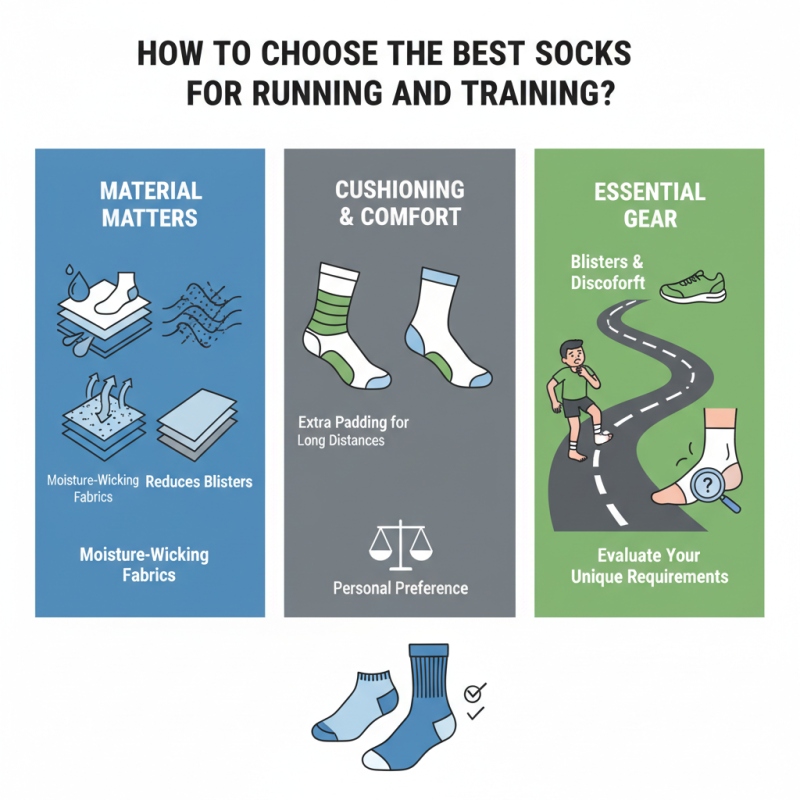
When it comes to performance, material matters. Look for socks made of moisture-wicking fabrics. They keep your feet dry and reduce blisters. Cushioning also plays a role in comfort. Some prefer extra padding for long distances, while others like a lightweight feel. Personal preferences can vary widely based on each runner's style and needs.

It’s easy to overlook socks, yet they are essential gear. Reviewing various brands and materials is critical. Many runners have learned this the hard way. Blisters and discomfort often result from ill-fitting or poorly designed socks. In your journey to find the perfect pair, evaluate your unique requirements. What works for one person might not work for another.
How to Choose the Best Socks for Running and Training?

Understanding the Importance of Choosing the Right Socks for Running

Choosing the right socks is crucial for runners and athletes. The right socks can enhance performance, prevent blisters, and ensure comfort during intense training sessions.
Breathable materials help keep feet dry, reducing the risk of hotspots. Thin or cushioned options can cater to personal preferences and foot types.

A common mistake is assuming all running socks are alike. Some runners may prefer tubular designs, while others find seams irritating. Finding the right fit is also essential. Socks that are too tight can restrict circulation, while loose ones may chafe. Pay attention to the fabric as well. A good mix of synthetic fibers offers durability and moisture-wicking properties.

Socks are often overlooked but can significantly impact the running experience. Regularly assessing their condition is necessary, as even minor wear can lead to functional issues. Reflecting on sock choices is key to making necessary adjustments. Runners of all levels should recognize that the right footwear encompasses more than just shoes; it includes the essential layer closest to the skin.

Key Features to Look for in Running and Training Socks

When it comes to running and training, choosing the right socks can make a big difference. Look for moisture-wicking materials. These fabrics keep your feet dry and help prevent blisters. Consider the sock height as well. Low-cut, ankle, or crew styles each have their advantages.

Padding is another important feature. Socks with extra cushioning provide comfort during long runs. However, too much padding can feel bulky. Find that sweet spot for your needs. Breathability also matters. Look for mesh panels or ventilation zones to enhance airflow.

Fit is crucial. Socks should feel snug but not restrictive. A loose sock can cause friction and lead to injuries. Don't overlook the importance of seamless toe construction, too. This feature reduces irritation during movement. Remember, the right socks are vital for performance. They support your training and make every step more enjoyable.

Key Features of Running and Training Socks

Different Materials Used in Running Socks and Their Benefits

Choosing the right socks for running can greatly impact performance. Different materials serve specific needs during training. Cotton is a common choice, but it retains moisture. This can lead to blisters and discomfort. According to a study by the American Podiatric Medical Association, about 72% of runners experience foot issues due to improper footwear and socks.

Moisture-wicking materials like merino wool, nylon, and polyester are more effective. These fabrics pull sweat away from the skin. A report by Runner's World indicates that socks made from these materials reduce blister formation by up to 50%. This is crucial for long runs and intense training. The right blend can enhance breathability and support.

Consider the thickness of the sock as well. Thicker socks may provide more cushioning, but they can feel bulky. Some athletes prefer thin, lightweight options for better agility. Balancing comfort and performance is key. Evaluating personal preferences and analyzing trial outcomes can guide your choice. While the ideal sock depends on individual needs, informed decisions will lead to better experiences on the track or trail.

How to Determine the Proper Fit for Running Socks

Finding the right fit for running socks is crucial for comfort and performance. A proper fit helps prevent blisters and enhances breathability. Socks that are too tight can restrict blood flow, leading to discomfort. On the other hand, loose socks may cause chafing.

When selecting running socks, pay attention to the sizing chart. It can be tempting to pick a size based on your usual shoe size, but this doesn’t always translate. Sizing varies across materials and styles. Trying on multiple pairs can be beneficial. Look for socks that hug your foot snugly but don’t constrict it. Also, consider the sock height. Crew socks are great for added coverage, while no-show styles offer minimal distraction.

The material plays a significant role as well. Choose moisture-wicking fabrics that keep your feet dry and reduce odor. Cotton tends to retain moisture and can lead to blisters. Many runners appreciate synthetic blends for their durability and comfort. Adjusting your choices may require some trial and error. Every runner’s needs are unique, so listen to your body as you find the right fit.

Specialized Socks for Different Types of Running Terrains

When choosing socks for running, terrain matters. Different surfaces demand specific features in socks. For instance, trail running requires a sock with enhanced cushioning and grip. Cushioned socks protect against rocks and roots while providing comfort on uneven surfaces. According to the American College of Sports Medicine, proper cushioning can reduce impact on joints by 30%.

On the road, athletes typically benefit from thinner, moisture-wicking socks. These keep feet dry and prevent blisters on longer runs. A report from the Journal of Sports Science notes that a lightweight sock can improve running efficiency by 1.5%. However, some runners may overlook fit. Socks should not be too tight or too loose, as this can lead to discomfort and blisters.

For racing, consider compression socks. They support blood circulation and can reduce muscle soreness. Yet, some athletes find them restrictive. Finding the right balance takes time and experimentation. Understanding personal needs is essential for sock selection. This process cultivates a learning curve, especially for novice runners. Ultimately, each runner's choice should align with their unique running style and terrain.

How to Choose the Best Socks for Running and Training?

Socks Type Material Best For Terrain Cushioning Level
Ankle Socks Merino Wool Blend Short Runs Road Light
Crew Socks Synthetic Long Runs Trail Medium
Compression Socks Nylon/Spandex Recovery Road/Trail High
Trail Running Socks Moisture-Wicking Fibers Technical Trails Trail Medium to High
No-Show Socks Cotton Blend Casual Runs Road Light

FAQS

: What features should I look for in running socks?

: Look for moisture-wicking materials to keep feet dry. Padding offers comfort, but avoid too much bulk.

How important is sock fit for comfort?

Proper fit prevents blisters and enhances breathability. Socks should feel snug, not overly tight.

Can I rely on my shoe size for sock fitting?

Shoe size doesn't always translate to sock size. Check the sizing chart for accurate selections.

What materials are best for running socks?

Choose moisture-wicking fabrics. Avoid cotton since it retains moisture and increases blister risks.

Are there specific socks for various terrains?

Yes, trail running needs cushioned socks. Road running benefits from thinner, moisture-wicking options.

What should I know about compression socks?

Compression socks can support circulation but may feel restrictive. Test them to find your comfort level.

How can I ensure good airflow in socks?

Look for socks with mesh panels or ventilation zones to improve breathability during runs.

Why is seamless toe construction important?

Seamless toe reduces irritation during movement. This feature is essential for comfort while running.

How can I avoid chafing while running?

Ensure socks are not too loose. A snug fit helps prevent friction and minimizes chafing risks.

What’s the best way to find my ideal running sock?

Experiment with different styles and fit. Listen to your body and adjust based on comfort feedback.

Conclusion

Choosing the right socks is crucial for enhancing performance and comfort during running and training. Understanding the importance of selecting appropriate socks can prevent blisters, improve moisture management, and support overall foot health. When considering what socks are best for running and training, key features such as cushioning, arch support, and breathability should be prioritized.

The materials used in running socks, such as synthetic fibers or merino wool, offer various benefits, including moisture-wicking properties and temperature regulation. Additionally, determining the proper fit is essential to ensure a snug but comfortable feel, reducing the risk of movement that could lead to chafing. Finally, there are specialized socks designed for different terrains, such as trail running or road running, which cater to specific needs and enhance the running experience.

Madeline

Madeline

Madeline is a dedicated marketing professional with a wealth of expertise in our company's core offerings. With a keen understanding of the industry, she brings a unique perspective to her role, consistently delivering high-quality content that highlights the superior aspects of our products. As......