Choosing the right socks for long-distance activities is crucial for comfort and performance. According to Sally Thompson, a renowned expert in sports apparel, “The right socks can make or break your experience during long-distance events.” Her insights highlight the importance of proper sock selection.
When considering how to pick the right socks for long-distance activities, you should focus on material, fit, and cushioning. A good pair of socks reduces friction and helps prevent blisters. Moisture-wicking fabrics keep your feet dry, which is essential for longer activities.
Many athletes overlook these details. They may choose socks based solely on color or style, forgetting performance matters more. Reflecting on personal experiences can help; think about your past long runs or hikes. Did your feet ache or blister? Selecting the right socks could have changed that outcome. Keep in mind that investing time in sock selection can enhance your overall performance.
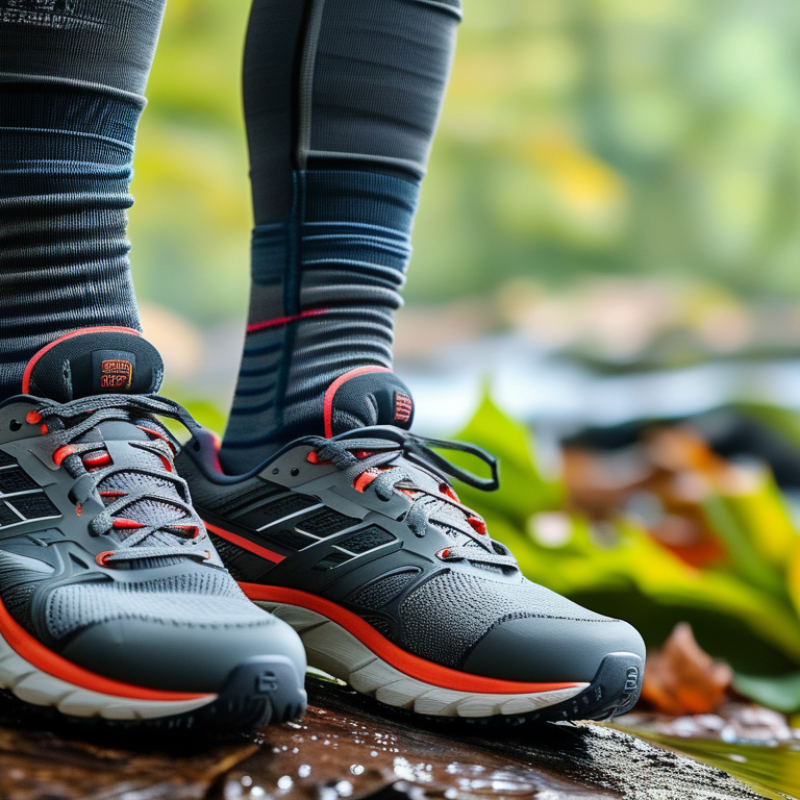
Factors to Consider When Selecting Long Distance Socks for Comfort
Choosing the right socks for long-distance activities can significantly impact your comfort. Research indicates that 30-40% of runners experience blisters due to poor sock choices. It’s essential to consider the material. Merino wool is often praised for its moisture-wicking properties. Synthetic blends can also offer breathability and durability without excessive weight.
Cushioning is another critical factor. According to studies, socks with adequate cushioning can reduce fatigue and improve overall performance. Look for socks with targeted padding in high-impact areas, such as the heel and toe. This feature is crucial for maintaining comfort during extended periods of activity.
Fit plays a notable role too. Socks should not be too loose or tight. A snug fit prevents movement that leads to blisters. Consider ankle-height socks or crew-length options for added protection. Temperature management is vital, as overheating can lead to discomfort. Athletes often overlook this aspect, but choosing socks designed for your climate can enhance your experience. Balancing all these factors can be challenging, but thoughtful choices lead to better adventures.
Material Types: Understanding Merino Wool, Synthetic Fabrics, and Cotton
Choosing the right socks for long-distance activities greatly impacts comfort and performance. Understanding materials is key. Merino wool, specifically, is renowned for its moisture-wicking properties and temperature regulation. A study shows that Merino wool can absorb up to 30% of its weight in moisture without feeling wet. This helps prevent blisters, a common issue for long-distance runners.
Synthetic fabrics, like nylon and polyester, offer durability and quick drying time. They’re often engineered for breathability, which is essential during intense activities. Reports indicate that synthetic socks can reduce foot fatigue by 10% due to better arch support and cushioning. However, some might find them less comfortable for daily wear.
Cotton, though soft, is generally not recommended for endurance activities. It absorbs sweat but retains moisture, leading to a higher risk of blisters. Data suggest that cotton can increase friction on the skin by up to 30% when damp. This trade-off often results in more discomfort during longer sessions.
Experts emphasize the need to test different materials. Everyone's feet react differently to various fabric types. The ideal sock is a personal journey of trial and error, ultimately enhancing your long-distance experience.
Cushioning and Support: How Sock Thickness Affects Performance
When choosing socks for long-distance activities, thickness can significantly impact performance. Thicker socks often provide more cushioning. This can help in absorbing shock during runs or hikes. However, extra padding may not suit everyone. Some may find thicker socks too hot. Others prefer the feel of thinner socks against their skin.
The choice between thick and thin socks often comes down to personal preference. Thick socks can reduce blisters by offering more support. Yet, they may take up more space in your shoes. This can affect how well your feet fit inside. A poor fit can lead to discomfort or even injuries. Testing various options is crucial.
Moreover, understanding the activity is essential. For trail running, thicker socks can offer good protection from rough terrains. For long walks on flat surfaces, a thinner sock might feel more comfortable. Keep in mind that maximum cushioning doesn’t guarantee optimal performance. You might need to adjust based on your experience and specific needs.
Moisture Management: The Role of Breathability in Long Distance Activities
When engaging in long-distance activities, foot comfort is crucial. One significant factor is moisture management, which directly ties to sock breathability. Breathable socks help regulate temperature and wick away sweat. This prevents moisture build-up, reducing the risk of blisters and discomfort.
Choosing the right material can impact breathability. Materials like Merino wool or synthetic fibers are ideal. They offer excellent moisture-wicking properties while being lightweight. Check the sock's construction. Look for mesh panels that increase airflow. This can make a big difference during long runs or hikes.
Tips for selecting the best socks include trying them on before purchase. Ensure they fit snugly but are not too tight. Pay attention to cushioning in crucial areas, as it can enhance comfort. Also, consider the sock height to prevent chafing against footwear. Test different styles during training to find your perfect match. Your feet will thank you.
Fit and Design: Importance of Size, Compression, and Seam Construction
When selecting socks for long-distance activities, fit and design play crucial roles. The right size ensures comfort. If socks are too tight, they can cause blisters. Loose socks can bunch up, leading to discomfort over time. Measure your foot and refer to size charts. A snug fit prevents unwanted movement, which is essential during extended wear.
Compression features in socks enhance blood circulation. This attribute reduces fatigue and improves endurance. Look for socks with graduated compression to maximize these benefits. The seam construction matters, too. Flat seams reduce friction against the skin, minimizing irritation. Inadequate seam design can lead to chafing, impacting your performance.
Consider the material of the socks as well. Breathable fabrics wick moisture away, keeping your feet dry. However, some materials may not offer sufficient cushioning. It’s vital to find a balance between support and breathability. Overall, investing time in finding the right socks can significantly improve your long-distance experience. Remember that sometimes what works for one person may not suit another, prompting personal testing and adjustment.
How to Choose the Best Socks for Long Distance Activities?
| Attribute |
Importance |
Recommendation |
| Size |
Ensures a snug fit to prevent blisters. |
Choose a size that matches your shoe size closely. |
| Compression |
Helps improve blood circulation and reduce fatigue. |
Look for socks with moderate compression for comfort. |
| Seam Construction |
Reduces friction by minimizing seams that can irritate skin. |
Opt for flat or seamless toe construction for comfort. |
| Material |
Affects moisture-wicking ability and breathability. |
Choose synthetic blends or merino wool for performance. |
| Cushioning |
Provides comfort and impact absorption during long runs. |
Select socks with targeted cushioning for optimal support. |
| Height |
Determine protection level against debris and chafing. |
Choose crew or ankle length for trail running. |
FAQS
: Sock thickness impacts cushioning and can absorb shock during activities. Thicker socks provide more support but may feel hot for some.
Not necessarily. Thicker socks can help reduce blisters but may hinder shoe fit. A poor fit can cause discomfort.
Personal preference matters. Test various thicknesses to find what feels best for your feet during different activities.
Moisture management is crucial. Breathable socks wick away sweat, prevent blisters, and enhance comfort during long activities.
Merino wool and synthetic fibers are ideal. They offer excellent moisture-wicking properties and keep feet cool and dry.
Proper sock fit prevents blisters and discomfort. Too tight is bad, but too loose can lead to bunching inside shoes.
Compression socks enhance blood circulation which can reduce fatigue and improve endurance. They are especially useful for long-distance activities.
Flat seams reduce friction against the skin, minimizing irritation. Inadequate seams can cause chafing, impacting your overall performance.
Sock height matters too. It can prevent chafing against footwear. Experiment with different heights during training to find what works.
Not always. Individual preferences vary. Testing various socks will help you identify what is comfortable and effective for your needs.
Conclusion
When considering how to pick the right socks for long-distance activities, several key factors come into play. First, the material is crucial; merino wool, synthetic fabrics, and cotton each offer unique benefits that can impact comfort and performance. Additionally, cushioning and support, influenced by sock thickness, play a significant role in how well your feet are protected during extended wear.
Moisture management is another critical aspect, as breathable socks help keep your feet dry, reducing the risk of blisters. Finally, fit and design, which include size, compression, and seam construction, are vital to ensure a snug yet comfortable fit. By taking these factors into account, you can choose the best socks that enhance your performance and comfort during long-distance activities.

 Traura Sports