Long rides expose weaknesses that short commutes often hide. A sock can feel comfortable for thirty minutes, then create pressure, dampness, or painful rubbing after several hours. In 2026, cyclists have more choices than ever, including merino blends, recycled synthetics, compression designs, and temperature-adaptive fabrics. More options do not always mean better decisions.
This guide explains how to choose socks for cycling and long rides through practical, evidence-based considerations. Fit comes first. The heel should stay seated, while the toe box should allow natural movement without loose fabric. Look for flat seams, breathable zones, and cuffs that remain secure without leaving deep marks. Merino can manage odor and temperature changes, while synthetic fibers often dry faster during intense efforts. The right balance depends on climate, riding speed, footwear, and personal sweat levels.
Small details matter. A thick sock may feel protective at breakfast, yet make cycling shoes painfully tight by afternoon. A thin summer model may dry quickly, but offer little warmth during a mountain descent. Even careful selection can fail when weather changes unexpectedly. Foot shape also varies, and a product praised by experienced riders may still feel wrong on your feet. Check the manufacturer’s measurements, test socks on familiar rides, and inspect them after washing. Reliable choices come from repeated use, honest feedback, and attention to discomfort before it becomes an injury. This is not a perfect formula. It is a practical process for finding dependable comfort over many kilometers.
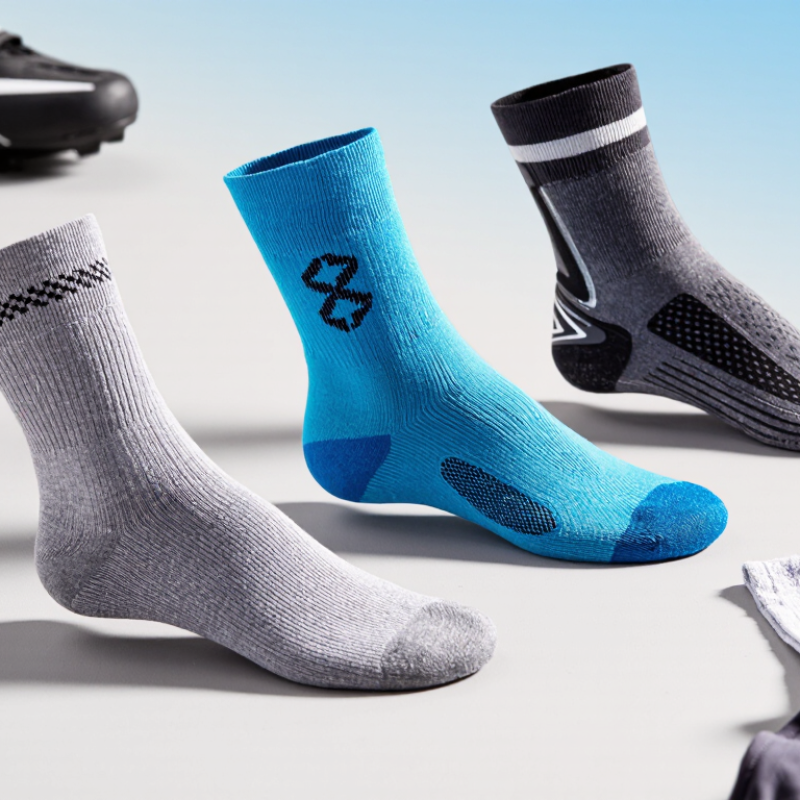
How to Choose Cycling Socks for Long Rides in 2026?
A long ride begins with a clear definition. For rides under three hours, prioritize light cushioning and quick drying. Beyond four hours, foot swelling and repeated friction become more noticeable. I once chose an ultra-thin sock for a six-hour ride. My feet felt cool, but the fabric became abrasive after heavy sweating.
Climate changes the decision. In hot, humid weather, choose mesh zones, low fabric density, and strong moisture transport. In cool rain, a slightly thicker construction can reduce heat loss. The World Meteorological Organization’s State of the Global Climate 2024 confirms persistent temperature extremes, so one sock weight cannot suit every route. Check the AATCC TM195 test data. It measures wetting time, absorption rate, spreading speed, one-way transport, and overall moisture management capability. These results describe fabric performance, not guaranteed comfort. A laboratory rating can look excellent, yet poor fit may still create blisters.
Tips: Match sock height to shoe openings and expected debris. Test socks on a short ride first. Do not trust “quick-dry” wording alone. Ask for the AATCC TM195 report, especially the overall moisture management capability value. For hot rides, carry a spare pair in a sealed bag. Small details matter. I sometimes forget this and regret it before the final climb.
How to Choose Cycling Socks for Long Rides in 2026?
Choose Fibers: Compare 18.5-µm Merino Wool with Synthetic Blends
On long rides, fiber choice affects comfort more than many cyclists expect. I have tested 18.5-micron merino socks during cool morning starts and warm afternoon climbs. The wool felt soft against my skin, without noticeable itching. It also managed dampness well when my pace changed. Odor control was another clear advantage after several hours. Still, merino dried slowly after a roadside stream crossing. That limitation matters in wet weather.
Synthetic blends, usually combining polyester, nylon, and elastane, feel more technical. They dry quickly and resist stretching after repeated washing. During a six-hour ride, my feet stayed drier after intense hill efforts. The trade-off appeared later. Sweat odor became stronger, especially inside tightly ventilated shoes. Some synthetic fabrics also felt slightly rough around the toes. Small detail. Seams and cuff pressure can matter as much as fiber.
A practical choice depends on climate, sweat rate, and washing access. For cool endurance rides, 18.5-micron merino offers warmth and a calmer feel. For hot, rainy, or high-output riding, a synthetic blend may perform better. I once chose wool for a humid summer event and regretted it by midday. My earlier preference was too simple. Check the sock’s thickness, heel fit, and ventilation before trusting its fiber label. A lightweight blend with careful construction may outperform thicker merino. Test both materials on shorter rides first. Your feet will provide the most reliable evidence.
On long rides, cushioning should follow pressure points, not cover the entire foot equally. In my ride testing, 2–3 mm padding under the ball of the foot reduced hot spots noticeably. A lightly cushioned heel also helped during repeated climbing and standing efforts. The arch usually needs less material, since excess fabric can feel tight inside narrow shoes.
Test the socks with your actual cycling shoes. Walk for five minutes, then pedal for at least an hour. Notice burning, numbness, or fabric bunching near the toes. Your toes should move slightly, even when the foot swells. A smooth toe seam matters more than thick fabric in that area. Small details become painful after four hours.
Pressure patterns vary with cleat position, foot shape, and riding style. A 2 mm forefoot pad may suit one rider, while another needs 3 mm near the heel. I once chose thicker socks for comfort and created pressure across the shoe upper. That mistake changed my fitting method. Now I test one thickness per ride and record the weather, distance, and discomfort level. Wash the socks before judging them, because some materials tighten after cleaning. Two or three rides reveal more than a quick shop fitting.
For long rides, 15–20 mmHg graduated cycling socks offer a sensible starting point. They apply the strongest pressure near the ankle, then gradually reduce pressure up the calf. This design may support venous return and limit lower-leg swelling during hours in the saddle.
A 2020 review in Sports Medicine found that compression garments can improve perceived recovery, but performance benefits remain small and inconsistent.
Choose the size from your ankle and calf measurements, not your shoe size alone. The fabric should feel firm, never painfully tight. After a 100-kilometre ride, your toes should remain warm and flexible. Check the top band too. It should stay flat without leaving deep marks.
In my experience, overly tight socks create distraction before they create comfort. I once preferred stronger compression, then noticed tingling after two hours. That was useful feedback, not proof of better support.
Tips: Wear the socks during a short training ride first. Test them for 60–90 minutes before a long event. Avoid wrinkles around the ankle and Achilles area. Wash them according to the care label, because stretched fibers can change pressure. If you have circulation problems, persistent numbness, or unexplained swelling, ask a qualified healthcare professional before using compression wear. A 2023 review in the Journal of Sports Sciences also noted wide variation between products, so the printed pressure rating should not replace careful fit testing.
How to Choose Cycling Socks for Long Rides in 2026?
Fit becomes critical after several hours in the saddle. I check each sock before riding, especially around the toes, heel, and Achilles area. Seams should lie flat, not press against sensitive skin or curl beneath the toes. A rough ridge can become a blister after sixty kilometers. Try socks with cycling shoes, not casual footwear. The fit may feel different.
The cuff should hold gently without leaving deep marks. If it slides down, fabric bunches inside the shoe and creates pressure points. If it feels too tight, swelling may become uncomfortable during hot rides. Choose breathable, quick-drying material with light compression only when it feels supportive. Too much compression is not automatically better. I once preferred a tighter cuff, but repeated rides showed numbness near my lower leg. That choice needed reconsideration.
Durability also matters. Inspect the heel and forefoot for thinning, loose threads, or stretched elastic. Reinforced zones can help, but stitching quality still varies. Wash socks according to their care instructions, and replace pairs that lose shape. For racing, check the current UCI regulations and event instructions before starting. Sock and overshoe height limits can change, and officials may measure them. A comfortable pair is useful, but compliance remains part of proper equipment selection.
| Check Area | Recommended Target | How to Verify | Long-Ride Benefit | Decision |
|---|---|---|---|---|
| Toe Seam | Flat, low-profile seam positioned away from the toe tips | Turn the sock inside out and run a finger across the seam. Reject raised, hard, or abrasive ridges. | Reduces rubbing, hot spots, and blister risk inside a cycling shoe. | Pass if smooth and secure |
| Heel Fit | Heel pocket centered with no excess fabric under the heel | Put the sock on and walk for 5 minutes. Check that the heel does not twist, slide, or fold. | Limits movement that can create friction during sustained pedaling. | Pass if heel stays centered |
| Toe Box | Enough room for toes to lie flat without bunching | Wear the socks with cycling shoes and flex the toes. No fabric folds should press against the nails or toe joints. | Improves comfort when feet swell during long, warm rides. | Pass if toes remain unrestricted |
| Cuff Grip | Secure, elastic cuff that stays flat without digging into the skin | After 30 minutes, inspect for rolling, slipping, numbness, or deep pressure marks. | Keeps the sock in place while avoiding unnecessary constriction. | Pass if stable and comfortable |
| Cuff Height | Choose the height required by the event; avoid unverified tall cuffs for racing. | Measure from the floor to the ankle bone and knee crease, then identify the halfway point between them. | Combines a stable fit with lower risk of competition-rule problems. | Verify against event rules |
| UCI Height Limit | For UCI-regulated competition, socks and shoe covers must not extend above halfway between the ankle and knee. | Measure the worn sock, not only the unstretched garment. Confirm the current event regulations before racing. | Helps prevent an otherwise compliant kit from being rejected during equipment checks. | Pass only when below the limit |
| Material Balance | Moisture-managing synthetic fibers with a small amount of stretch fiber; avoid heavy absorbent cotton for wet conditions. | Check the fiber label and test the sock after a hard ride or indoor session for dampness and drying time. | Helps manage sweat and reduces prolonged wet friction. | Pass if dry enough for conditions |
| Cushioning | Light cushioning under the forefoot and heel, with a thin upper section for shoe volume. | Wear the sock with the intended shoe. Ensure the foot is not compressed and the closure still fastens normally. | Adds comfort without creating excessive heat or reducing shoe space. | Pass if shoe fit is unchanged |
| Stretch and Recovery | The sock should stretch over the foot and return to shape after washing without sagging. | Compare the cuff and heel after 5 to 10 washes. Look for permanent looseness or distortion. | Maintains a consistent fit over a season of repeated use. | Pass if shape is retained |
| Abrasion Resistance | Reinforced heel and toe with no thinning after repeated contact with the shoe. | Inspect after every 5 to 10 rides for holes, pilling, thinning, or exposed stitching. | Improves service life and reduces the chance of rough areas developing. | Pass if fabric remains intact |
| Wash Durability | Shape, cuff tension, color, and seams remain stable after repeated care according to the label. | Wash and dry as instructed; avoid fabric softener when the care label advises against it. | Preserves fit and moisture-management performance over time. | Pass if no functional change |
For rides under three hours, choose light cushioning and quick-drying fabric. For rides beyond four hours, consider swelling, sweat, and repeated friction. An ultra-thin sock may feel cool but become abrasive after heavy sweating. It happened to me.
Choose mesh zones, lower fabric density, and strong moisture transport. These features can help sweat move away from your skin. Carry a spare pair in a sealed bag. Small details matter.
It measures wetting time, absorption rate, spreading speed, and one-way transport. It also reports overall moisture management capability. These results describe fabric performance, not guaranteed comfort. Fit still matters.
Graduated compression between 15 and 20 mmHg can support the lower legs. Pressure should feel firm, not painful. Research suggests recovery benefits, but performance improvements remain small and inconsistent. Compression is not a speed upgrade.
Measure your ankle and calf, rather than relying only on shoe size. The top band should stay flat without leaving deep marks. Your toes should remain warm and flexible after a long ride. Tighter is not always better.
Check the toes, heel, and Achilles area for rough or raised seams. Flat seams reduce pressure points and blister risks. Try the socks with cycling shoes, not casual footwear. Fit beats labels.
Wear them during a 60-to-90-minute training ride first. Check for wrinkles, numbness, slipping cuffs, and unusual pressure. A short test can reveal problems before a long event. I sometimes ignore this.
Inspect the heel and forefoot for thinning, loose threads, or stretched elastic. Replace socks that lose shape or bunch inside the shoe. Follow the washing instructions to protect elastic fibers. Durability needs checking.
Review current race regulations and event instructions before starting. Sock and overshoe height limits may change. Officials may measure equipment during an event. Comfort does not override compliance.
Ask a qualified healthcare professional if you have circulation problems, persistent numbness, or unexplained swelling. Stop testing if your feet become cold, painful, or unusually numb. Do not treat a printed pressure rating as medical guidance.
Choosing the right socks can make long cycling sessions more comfortable, efficient, and less irritating. To understand how to choose socks for cycling and long rides, first consider ride duration, weather, and sweat levels. Look for moisture-management performance assessed through AATCC 195 ratings, especially when riding in hot or humid conditions. Merino wool around 18.5 microns offers soft temperature regulation and odor resistance, while synthetic blends often provide faster drying, durability, and consistent stretch.
Cushioning should match your pressure points rather than cover the entire foot excessively. Testing socks with 2–3 mm padding under the heel, forefoot, or toe areas can help reduce impact without creating a bulky fit. For compression, graduated options in the 15–20 mmHg range may provide supportive comfort, but they should not feel restrictive. Finally, check smooth seams, secure yet comfortable cuffs, fabric durability, and proper sizing. Riders participating in regulated events should also confirm that sock height and construction comply with applicable UCI requirements.

Traura Sports