When it comes to daily training, the right socks can make a significant difference. Expert footwear designer Dr. Sarah Collins emphasizes, "Choosing the right socks can enhance comfort and performance." This statement underlines the crucial role socks play in your training routine.
Understanding how to choose durable socks for daily training involves several factors. Material choice is key. Quality fabrics like merino wool or synthetic blends offer durability. These materials wick moisture and reduce blisters. Moreover, consider cushioning and fit. Socks with targeted padding can support your feet better, especially during intense activities.
Many athletes overlook sock selection. They often focus solely on shoes and neglect this vital component. However, poor sock choices can lead to discomfort and injuries over time. It's essential to invest time and thought into your sock selection for optimal training benefits. Remember, the right socks are as critical as your shoes.
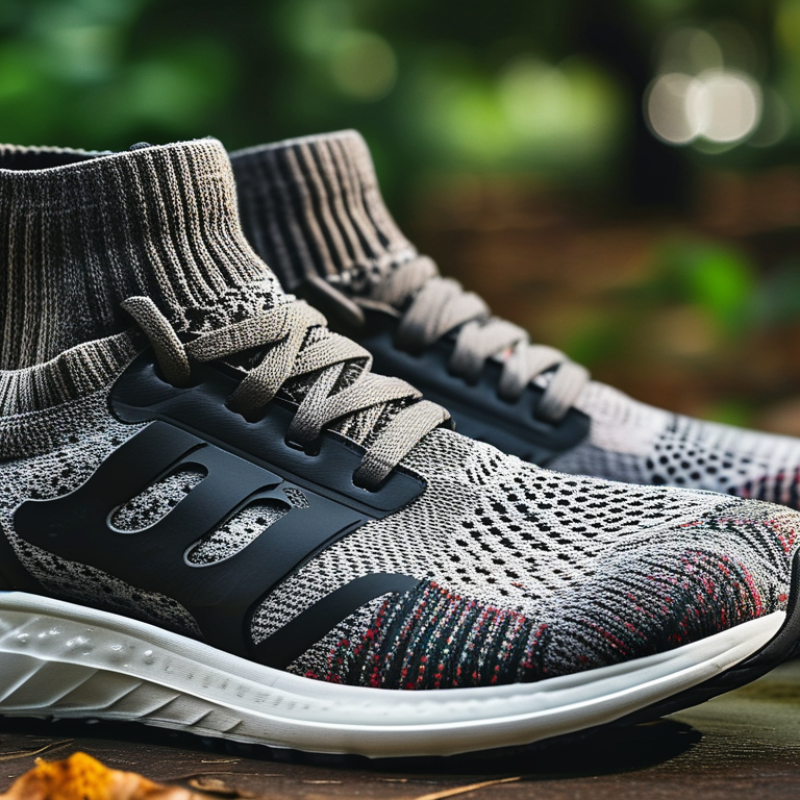
When selecting socks for daily training, the material is crucial for durability. Studies reveal that socks made from high-quality synthetic fibers, like nylon and polyester, resist wear and tear better than cotton. Cotton absorbs moisture but deteriorates faster, often leading to blisters and discomfort during intense workouts. In fact, research from industry leaders indicates that synthetic materials can improve lifespan by up to 30%.
Moreover, some brands now utilize advanced blends, merging these synthetics with merino wool. This combination offers moisture-wicking properties and enhanced breathability. A report by the Textile Research Journal highlights that such blended fabrics enhance thermoregulation, keeping feet dry and at a comfortable temperature. However, it's essential to note that finding the right balance in material can be a trial-and-error process.
Not every synthetic sock feels the same. Some may irritate sensitive skin or lack the right fit. Feedback from athletes often varies. Many recommend testing different types and paying attention to seams and cushioning. Addressing these aspects can make a significant difference in performance. As training continues to evolve, keeping an eye on material advancements will help in making informed choices for durable socks.
When choosing socks for daily training, thickness and cushioning are crucial. A well-cushioned sock can provide comfort and support during rigorous activities. The right thickness can influence breathability and moisture management. So, what should you consider?
Thicker socks often offer more cushioning. This can help absorb impact, reducing stress on your feet and joints. However, they may retain more heat, leading to discomfort during long workouts. A balance between cushioning and breathability is essential. If the sock is too thick, it can cause overheating. A sock that is too thin might not provide enough support.
Understanding your training environment matters too. Running on rough terrain requires different sock characteristics than gym workouts. Evaluating how the sock thickness complements your movement is vital. Sometimes, it takes trial and error to find the perfect fit. Always reflect on how your socks perform after each workout. Adjust your choices based on your experiences to enhance future performance.
When selecting durable socks for daily training, seam construction plays a vital role. High-quality seams prevent blisters, allowing you to focus on performance. Flatlock seams are ideal as they lie flat against the skin. This design reduces friction, a common cause of blisters. Look for reinforced seams in high-wear areas. These tend to last longer and withstand the rigors of training.
Consider the stitching technique used in the socks. Double-stitched seams provide extra strength and durability. However, they can sometimes create discomfort if not placed correctly. It’s essential to strike a balance between durability and comfort. Pay attention to the sock’s review and feedback from other users. Their experiences can provide insights into potential issues.
Don’t overlook the fabric blend. A combination of synthetic fibers often enhances durability. However, some materials may retain moisture, leading to blisters. Testing different socks during training sessions can help identify the best fit for your needs. While finding the right pair may take time, the investment is worth it to improve your training experience.
| Feature | Description | Benefits |
|---|---|---|
| Seam Type | Flatlock seams that reduce bulk and friction | Minimizes the risk of blisters and irritation |
| Material | Moisture-wicking synthetic blends | Keeps feet dry and comfortable during workouts |
| Cushioning | Strategically placed cushioning in high-impact areas | Offers additional comfort and shock absorption |
| Fit | Anatomical fit to match the shape of the foot | Prevents slipping and enhances stability |
| Durability | Reinforced toe and heel areas | Extends the lifespan of the socks |
When it comes to socks for daily training, compression technology is a game-changer. Compression socks apply pressure to the lower legs, enhancing blood circulation. Improved circulation can lead to faster recovery and reduced soreness after workouts. This is crucial for athletes who engage in rigorous training sessions.
It's important to choose the right pair that fits well without being too tight. A sock that’s too tight can hinder blood flow. Look for socks that offer compression levels suitable for your training intensity. Socks made with moisture-wicking materials will keep your feet dry, adding comfort to your workout.
Tip: Always try on socks before buying. Ensure they provide enough support but allow flexibility. Consider your typical training duration. Socks designed for longer use might include added cushioning, reducing fatigue.
Understanding how different materials and designs affect comfort and recovery can help you make informed choices. Don't settle for any pair; they should serve your body's needs during and after workouts. It’s all about finding that perfect balance.
When choosing socks for daily training, fit is paramount. A well-fitting sock should hug your foot without feeling too tight. Look for socks that have a snug band around the arch. This support enhances stability during various movements. Too loose, and you risk blisters; too tight, and circulation could falter.
Pay attention to materials as well. Breathability is crucial for preventing moisture build-up. Cotton can absorb sweat, but it may lead to soggy feet. Opt for synthetic blends that wick moisture away. Some socks have cushioning that adds comfort. However, excessive padding might make them feel bulky in tight shoes.
Consider your training environment. Different activities require different sock designs. Running socks often have specific arch support. If you mostly train indoors, lightweight options can work well. Reflection on your needs can guide your choice. Sometimes, a sock that looks perfect might not perform well during intense workouts. Finding the right balance can take time. Don't rush the process.
: Compression socks improve blood circulation, leading to faster recovery and less soreness after workouts.
A proper fit is crucial. Socks should hug the foot, providing support without being too tight or too loose.
Socks that are too tight can hinder blood flow, which negatively affects circulation during workouts.
Moisture build-up can lead to discomfort. Choose moisture-wicking materials to keep your feet dry during activities.
Different activities require different designs. Running socks need specific arch support, while indoor socks can be lightweight.
Yes. Excessive cushioning may feel bulky in tight shoes, affecting comfort and performance.
Trying on socks ensures they provide support, flexibility, and comfort for your specific training needs.
Your training environment impacts sock design needs. Outdoor training may need different features than indoor workouts.
No, finding the right socks takes time. Rushing can lead to choosing options that won’t meet your needs.
Breathability and moisture-wicking capabilities significantly affect comfort, especially during long or intense workouts.
When considering how to choose durable socks for daily training, understanding the material is essential, as it significantly impacts the sock's lifespan and performance. Look for materials that offer moisture-wicking properties and adequate breathability to keep feet dry and comfortable during rigorous activities. Evaluating sock thickness and cushioning can enhance performance by providing the right balance of support and comfort.
Additionally, pay attention to seam construction; avoiding seams that may cause friction can help prevent blisters. Incorporating compression technology in socks can further improve recovery and comfort, allowing athletes to perform at their best. Finally, selecting the right sock fit is crucial for maximizing stability and ensuring longevity, as a well-fitted sock reduces movement and wear during training sessions.

Traura Sports