Choosing the right sock length can change how an athlete feels, moves, and recovers during training. However, the best choice is rarely based on appearance alone. A basketball player may need crew socks that protect the ankle from shoe friction. A runner might prefer low-cut or no-show socks for lighter coverage. Cyclists often choose ankle or quarter socks, while hikers may benefit from crew socks that shield the lower leg from dust, grass, and boot rubbing.
Sports podiatrist Dr. Emily Splichal has emphasized a practical principle: “The best sock supports movement without creating another problem.” That idea guides this article. We will explore what length socks are best for different sports, considering footwear, weather, injury history, and personal comfort. Fabric matters, too. A tall cotton sock can feel soft at first, yet it may hold sweat against the skin during a long match. A thin moisture-wicking sock may perform better, even when it feels less comfortable in your hand.
There is no universal answer. I have found that athletes often choose socks by habit, then blame their shoes for hot spots or slipping. That assumption deserves a second look. Sock length should match the sport’s movement patterns, not simply its uniform style. Small details matter: a runner’s exposed Achilles area, a tennis player’s repeated lunges, or a hiker’s boot collar pressing against the calf. This guide offers practical, evidence-informed direction, while recognizing that comfort remains personal and sometimes difficult to measure.
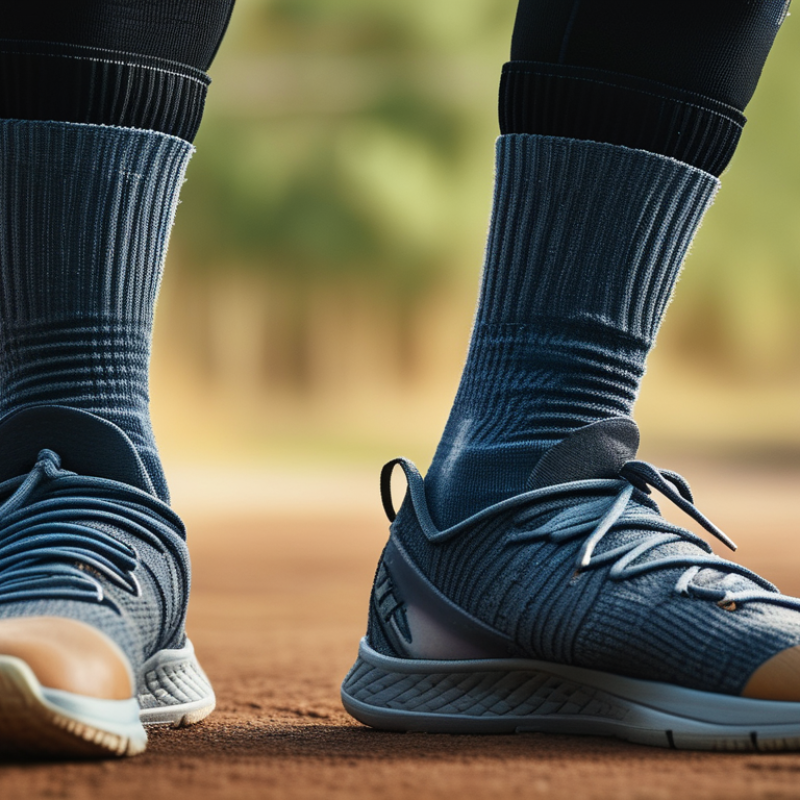
Sock length affects athletic performance through comfort, temperature control, and skin protection. It does not create speed by itself. However, a poor choice can distract you within minutes.
A 2022 systematic review in Sports Medicine reported blister rates ranging from about 12% to 39% among endurance participants. That range is wide. Terrain, heat, moisture, and footwear all matter.
For running, ankle or quarter socks can reduce fabric and heat around the lower leg. Crew socks offer more coverage against grass, dust, and shoe friction. In trail sports, this extra barrier can protect the Achilles area from debris. For cycling, a close-fitting crew length can reduce exposed skin and support consistent comfort during long rides.
Material and fit matter more than fashion. The American College of Sports Medicine recommends breathable clothing systems that help manage sweat during exercise. A sock that stays wet may soften skin and increase rubbing.
Choose a snug heel, a smooth toe seam, and enough stretch to prevent slipping. Compression-height socks may feel supportive, but evidence does not prove they improve performance for every athlete.
“More support” can sometimes mean more heat. That deserves honest testing.
Wear the intended socks during training, not only on competition day. Test them after 30 minutes, then inspect red marks, damp zones, and moving fabric. Small details become larger problems.
Choosing sock length is less about fashion than friction, heat, and movement. In my training, the right height often prevented small irritations from becoming distracting blisters. Crew socks usually suit running, hiking, and gym sessions because they protect the ankle and lower calf. For road running, lightweight crew or quarter socks can reduce debris without feeling bulky. I once chose thick crew socks for a warm run. My feet overheated quickly. That mistake still influences my choices.
Indoor court sports need secure coverage. Basketball and volleyball players often prefer crew socks for ankle comfort and sweat control. However, sock length does not replace proper footwear or ankle support. For cycling, ankle or quarter socks work well in warm conditions, while taller socks can add warmth outdoors. Compression sleeves differ from socks, and their fit should never cause numbness or tingling. Fit matters more than appearance.
Football, field hockey, and similar outdoor sports may call for knee-high socks over protective equipment. They help keep shin guards stable and shield skin from grass, dust, and minor scrapes. In swimming, rowing, or beach activities, short socks, or none, may reduce water retention. The surface still matters. Trail runners should consider crew length when grass, grit, or low branches are common. Feet swell during long sessions, so leave room at the toes. I still reassess after washing, because stretching or shrinking can change a sock’s performance.
How to Choose the Right Sock Length for Every Sport?
Sock height should match both your footwear and your clothing. The right length can reduce rubbing, manage sweat, and keep your outfit balanced.
No single height works everywhere. Low-cut socks suit running shoes and lightweight gym trainers. They stay hidden below the collar, but may expose the ankle to shoe edges or trail debris. Quarter-length socks cover the ankle bone and work well with walking shoes, court shoes, and cropped athletic trousers. They offer useful protection without feeling bulky.
Crew socks reach the lower calf and pair well with boots, hiking shoes, and full-length sportswear. Their taller knit can block grit, grass, and repeated ankle friction. For cycling, basketball, or field sports, crew height also stays secure during quick movement. However, thick crew socks can make a close-fitting shoe feel cramped. Check the toe box before choosing heavier fabric.
I once selected socks by appearance alone. That was a mistake. My shoes felt tighter after an hour, and my heel became irritated. Measure the space around your ankle and calf if the fit feels uncertain. Compression styles need careful sizing, especially when worn under fitted clothing. Tall socks may also trap heat in humid weather. A lighter material might perform better, even when the higher length looks more suitable. Clothing changes the decision, too: shorts expose more sock, while leggings often work better with a smooth, low-bulk cuff.
Considering Comfort, Support, Breathability, and Protection
Sock length should match the sport, shoe, and surrounding conditions. During running, a low-cut or quarter sock often feels cooler and lighter. It should sit smoothly below the ankle without sliding inside the shoe. For hiking, basketball, or field sports, crew-length socks offer more coverage. They can reduce rubbing from shoe collars and protect the lower leg from grass, dust, or minor scratches.
Comfort comes first, but support matters too. A snug arch band can limit fabric movement without making the foot feel tight. Avoid excessive compression unless a qualified professional recommends it. Breathability depends on both length and material. Mesh panels near the top of the foot help release heat. In humid weather, damp fabric may still cause blisters, even when the sock feels thin.
Protection changes with the activity. Shin-length socks suit sports involving contact, equipment, or rough surfaces. Check that the cuff stays flat and does not leave deep marks.
I still get this wrong sometimes.
A sock that feels perfect indoors may bunch during a long match. Test new socks with your actual shoes and movements. Walk, jump, and change direction before trusting them. There is no perfect length for every athlete. Even small differences in calf shape, sweat, and shoe fit can change the result.
How to Choose the Right Sock Length for Every Sport?
Sock length should follow movement, footwear, and personal comfort, not fashion alone. In a fitting session, I check whether the cuff presses behind the knee or slips during repeated strides. Runners often prefer crew socks for ankle coverage, while cyclists may choose mid-calf lengths under tight shoes. Basketball players usually need enough fabric to reduce rubbing around high collars. The correct fit should feel secure, never restrictive.
Material matters just as much. The Textile Exchange Materials Market Report 2024 states that polyester represented about 59% of global fiber production in 2023. It dries quickly, but it may hold odor without proper finishing. Merino wool manages moisture and temperature well, although some athletes dislike its texture. Nylon adds durability, especially around the heel and toe. A blended fabric can work better than a single fiber. Still, labels do not tell the whole story. Stitch tension, cushioning, and ventilation can change the experience.
Tips: Test socks with your actual sports shoes. Walk, jump, and bend your ankle. Look for wrinkles across the toes. A small gap can become a blister. Wash new pairs before serious training, because fabric softness may change. I once chose a thicker sock for winter runs and regretted it after ten minutes. It was warm, but my shoe became too tight. Personal preference needs testing, not guessing. The American College of Sports Medicine also emphasizes properly fitted footwear for reducing foot discomfort during exercise.
| Sport or Activity | Recommended Sock Length | Why This Length Works | Useful Materials | Fit and Construction Priorities | Personal Preference Considerations |
|---|---|---|---|---|---|
| Running | No-show to crew | Choose a height that protects the ankle from shoe edges and debris without adding unnecessary warmth. | Synthetic performance fibers Merino wool blends Elastane | Look for a secure arch band, flat seams, breathable zones, and cushioning matched to the shoe. | Low-cut styles feel cooler; crew socks provide more coverage for trails, cold weather, or ankle protection. |
| Trail Running | Crew to quarter | Extra coverage helps reduce contact with grass, dust, small stones, and low vegetation on uneven paths. | Abrasion-resistant synthetics Merino blends Quick-drying fibers | Prioritize reinforced heel and toe areas, a close fit, moisture control, and cushioning that does not crowd the shoe. | Higher socks may feel more comfortable with gaiters or when running through brush. |
| Road Cycling | Ankle to crew | The best height usually depends on comfort, ventilation, and how much lower-leg coverage the rider prefers. | Nylon blends Polyester Elastane | A smooth toe seam, light compression, moisture management, and a cuff that stays in place are useful features. | Ankle socks maximize minimal coverage, while crew socks offer more sun and road-spray protection. |
| Mountain Biking | Crew to over-the-calf | Longer socks can help protect the lower leg from vegetation, dust, minor scrapes, and trail debris. | Durable synthetic blends Merino blends Padded zones | Choose abrasion resistance, secure cuffs, targeted cushioning, and enough stretch for repeated ankle movement. | Over-the-calf styles are useful with shin protection or in cooler conditions but may feel warmer. |
| Hiking | Quarter to crew | Quarter and crew lengths help prevent boot rubbing and provide a barrier between the skin and footwear. | Merino wool blends Nylon reinforcement Synthetic fibers | Check heel and toe durability, cushioning under pressure points, moisture control, and a non-bulky fit. | Choose lighter quarter socks for low-cut footwear and crew socks for boots, cooler weather, or longer hikes. |
| Basketball | Crew to quarter | These lengths provide ankle-area coverage and are commonly compatible with high-top and mid-top court shoes. | Polyester blends Nylon Elastane | Look for cushioning at the heel and forefoot, arch support, a stable cuff, and breathable mesh panels. | Crew socks provide a traditional covered look; shorter lengths may feel less warm during indoor play. |
| Soccer | Knee-high | Long socks are needed to cover shin guards and keep them positioned during play. | Polyester Nylon Elastane | Use a snug but non-restrictive fit, a secure top band, moisture-wicking fabric, and enough stretch for shin guards. | Thin socks suit tight-fitting boots; thicker cushioning may require a larger boot fit. |
| Tennis | No-show to crew | Choose enough height to prevent shoe friction while keeping the foot cool during repeated court movement. | Synthetic moisture-wicking fibers Nylon Elastane | Prioritize lateral stability, reinforced wear zones, cushioning under the forefoot, and a smooth toe seam. | Quarter or crew socks may offer more protection from court dust and shoe collars. |
| Volleyball | Ankle to crew | Short-to-medium lengths support quick movement while offering protection from shoe rubbing during jumps and dives. | Polyester blends Nylon Elastane | Look for impact cushioning, a secure arch fit, breathable construction, and fabric that stays in place during jumping. | Crew socks provide more coverage for floor contact; ankle styles generally feel lighter. |
| Weight Training | Ankle to crew | Length can be selected mainly for comfort, shoe compatibility, and protection from equipment edges. | Cotton blends Synthetic fibers Elastane | Choose a stable fit, moderate cushioning, durable heel and toe areas, and fabric that handles repeated washing. | Crew socks can protect the lower leg during deadlifts or barbell work; shorter socks may feel cooler. |
| Cross-Training | No-show to crew | Different movements require a balance of ventilation, friction control, and coverage around the shoe collar. | Moisture-wicking synthetics Nylon blends Elastane | Prioritize a secure arch band, multidirectional stretch, reinforced zones, and cushioning suitable for both lifting and cardio. | Choose the shortest length that prevents rubbing, unless additional lower-leg coverage is preferred. |
| Skiing and Snowboarding | Knee-high | Knee-high socks match tall ski and snowboard boots and help reduce boot-edge friction on the lower leg. | Merino wool blends Synthetic insulation fibers Nylon reinforcement | Use a close, smooth fit with targeted shin and foot cushioning; avoid thick wrinkles that can create pressure points. | Warmth should come from the sock material and boot system rather than excessive bulk that restricts circulation. |
| Skating and Inline Skating | Crew to knee-high | More coverage can reduce friction from high skate cuffs and protect the lower leg during extended sessions. | Synthetic performance fibers Nylon Elastane | Look for padding at contact areas, moisture management, a smooth interior, and a cuff that does not slide down. | Match the sock height to the skate cuff; excessive thickness can make the boot feel tight. |
| Golf | No-show to crew | Length is mainly a matter of shoe comfort, weather, and personal style because most golf shoes do not require tall socks. | Cotton-performance blends Merino blends Synthetic fibers | Choose moisture control, cushioning for walking, a stable heel, and a cuff that remains comfortable for several hours. | No-show socks suit warm conditions; crew socks offer more sun, grass, and insect protection. |
| Walking and Everyday Fitness | No-show to crew | A shorter length is usually sufficient unless footwear, weather, or skin sensitivity calls for additional coverage. | Cotton blends Bamboo-based blends Synthetic fibers | Prioritize softness, breathability, a smooth toe seam, and enough stretch to prevent bunching. | Select the height that works best with the shoe collar and provides the desired balance of coolness and coverage. |
: Choose low-cut or quarter socks for a cooler, lighter feel. The cuff should sit below the ankle without sliding. Small movement becomes annoying quickly.
Crew-length socks provide coverage around the ankle and lower leg. They can reduce rubbing from shoe collars. They also help block dust and minor scratches.
Yes, crew socks can reduce rubbing around higher shoe collars. Choose a flat cuff that stays secure during jumps and sudden turns. Avoid deep marks.
Use shin-length socks for contact sports or rough outdoor surfaces. They cover more skin around equipment and lower-leg contact areas. Keep the cuff comfortable.
A snug arch band can reduce fabric movement. The sock should never feel restrictive. Avoid strong compression without professional advice.
Yes, material affects drying, softness, odor, and durability. Quick-drying fibers may feel useful during sweaty sessions. Some fabrics hold odor. Blended materials can offer balanced performance.
Wear them with your actual sports shoes. Walk, jump, bend your ankle, and change direction. Check for toe wrinkles and bunching. A tiny gap can become a blister.
Yes, heat and humidity may make damp fabric uncomfortable. Cold weather may encourage thicker socks, but check shoe space carefully. I once chose warmth and regretted it after ten minutes. Fit still matters more than expectation.
Choosing the right sock length can make a noticeable difference in athletic performance, comfort, and protection. The best choice depends on the sport, movement, footwear, and clothing involved. When considering what length socks are best for different sports, think about activity demands: low-cut socks may suit running and indoor training, crew socks can provide balanced coverage for hiking or court sports, and taller socks may offer extra support, warmth, or protection for cycling, outdoor activities, and contact-based exercise. Sock height should also work well with shoes and avoid bunching or exposed skin that could cause discomfort.
Before buying, evaluate the fit, material, cushioning, breathability, and level of support. Moisture-managing fabrics can help keep feet dry, while targeted cushioning may reduce pressure during repeated movement. A secure but non-restrictive fit is essential, and personal preferences such as warmth, coverage, and style should also be considered. By matching sock length and construction to both the activity and your individual needs, you can improve comfort and stay focused throughout training or competition.
Traura Sports