In the world of professional sports, selecting the right socks can significantly impact performance and comfort. Athletes often focus on shoes and gear, overlooking the critical role of socks. However, understanding how to choose socks for professional sports use is essential for optimizing performance.
The right socks provide support, moisture control, and cushioning. Poor choices can lead to blisters, discomfort, and even injuries. Athletes need to consider factors like material, fit, and intended use. For instance, cotton socks may feel comfortable but trap moisture, leading to blisters. Choosing synthetic materials can help wick away sweat and improve durability.
It's important to reflect on past experiences with different sock types. Did certain socks cause discomfort during games? Was there a time when a specific material helped performance? Evaluating these details can guide future choices. Ultimately, a well-thought-out sock selection plays a critical role in an athlete's success on the field or court.
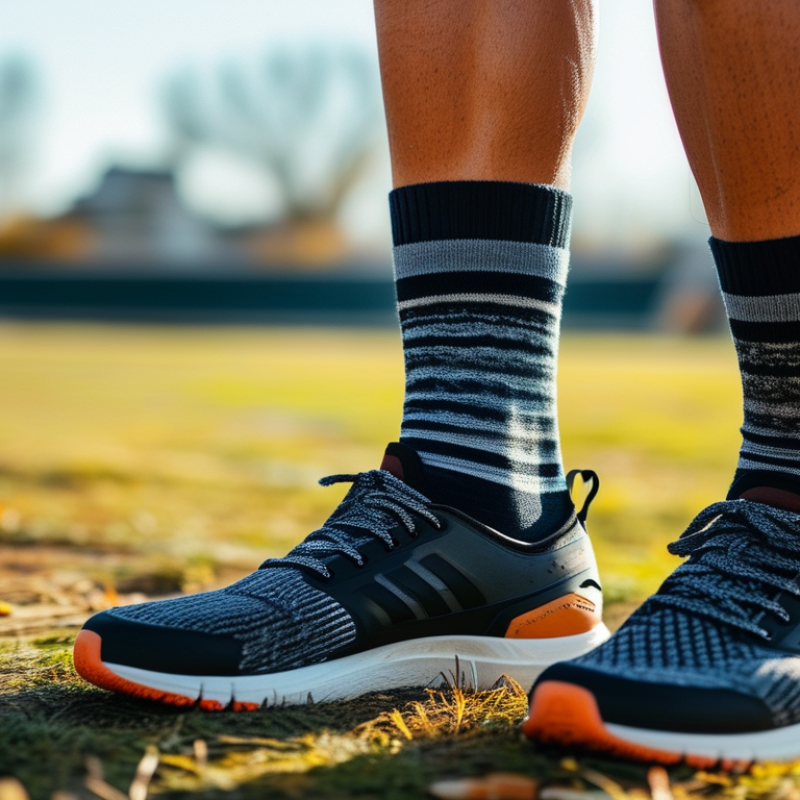
In professional sports, the importance of sock material cannot be overstated. Athletes spend hours in their gear, and socks play a critical role in comfort and performance. Materials like synthetic blends can wick moisture away, keeping feet dry. This reduces the risk of blisters and discomfort during intense activities.
Natural fibers, like cotton, may feel soft but often retain moisture. This can lead to soggy socks that weigh athletes down. Breathability is key; socks made from merino wool offer both insulation and moisture management. Many renowned athletes favor these materials for their temperature regulation.
Choosing the right socks also involves considering fit and cushioning. A poorly fitting sock can lead to slippage or constriction. This might affect an athlete's focus or performance. It's essential to test various materials and designs to find the best match. There is always room for evaluation and adjustment in every game.
Proper sock fit and comfort are critical for athletes. Poorly fitting socks can lead to blisters, foot pain, and decreased performance. A study conducted by the American Podiatric Medical Association found that nearly 70% of athletes reported foot issues directly related to their footwear, including socks. When socks fit well, they provide better support and minimize friction. This can enhance an athlete's endurance and overall performance.
Comfort is equally significant. Socks made from breathable materials help regulate temperature. A report from the Journal of Sports Science indicates that athletes wearing moisture-wicking socks performed better in endurance tests. These socks keep feet dry and prevent overheating, which is essential during prolonged physical activity. When athletes feel comfortable, their focus shifts to performance rather than discomfort.
Yet, selecting the right socks is not as straightforward as it seems. Not all athletes have the same foot shape or size. In fact, many athletes ignore sock thickness and cushioning, which can be vital for their specific sports. It's essential to experiment with different styles to find the perfect fit. Customization may be necessary, as what works for one athlete might not work for another. This process of trial and error can lead to a significant improvement in performance.
Choosing the right socks is crucial for athletes. Athletic performance can hinge on the materials that keep feet comfortable and dry. Moisture-wicking technology plays a vital role here. This tech draws sweat away from the skin, ensuring that feet remain dry during intense activities. Swollen or blistered feet can impact an athlete's performance. Hence, moisture-wicking can prevent such issues.
The fabric quality makes a significant difference in performance. Advanced synthetic fibers often outperform cotton. These fibers help regulate temperature as well. An athlete's feet can overheat quickly. With proper ventilation, athletes can focus on their game rather than their discomfort.
However, not all moisture-wicking socks are created equal. Some may still retain odor or bunch up during movement. It's essential for athletes to test different brands and styles. Finding the perfect fit and fabric takes time and awareness. Personal preferences also matter. Each athlete has unique needs based on their sport and foot shape.
| Socks Type | Material | Moisture-Wicking Feature | Cushioning Level | Durability | Recommended Sport |
|---|---|---|---|---|---|
| Performance Running Socks | Polyester, Nylon, Spandex | Excellent | Medium | High | Running, Trail Running |
| Cycling Socks | Merino Wool, Nylon | Good | High | Medium | Cycling |
| Basketball Socks | Cotton, Polyester | Good | Medium to High | High | Basketball |
| Hiking Socks | Merino Wool, Synthetic Blends | Excellent | High | Very High | Hiking, Trekking |
| Soccer Socks | Polyester, Cotton | Good | Low to Medium | Medium | Soccer |
Choosing the right socks for professional sports involves more than mere fashion. The cushioning and padding in sports socks play a crucial role in injury prevention. A study by the American Journal of Sports Medicine found that adequate cushioning can reduce the impact on joints by up to 30%. This statistic highlights the importance of selecting socks with the right materials and design.
In many cases, athletes experience discomfort due to insufficient padding. This can lead to a higher risk of injuries like blisters, stress fractures, and joint pain. Recent data indicates that approximately 40% of runners experience chronic foot issues. Properly cushioned socks can significantly mitigate these risks.
Manufacturers are increasingly focusing on the science of sock design. Innovations include targeted padding in high-impact areas. For example, some models use multi-density foams to cater to varying levels of impact experienced during sports. While many athletes overlook this aspect, the right socks can make the difference between performance and injury. The ongoing conversation around sock technology emphasizes the need for tailored solutions in sportswear.
When it comes to professional sports, socks might seem like a minor detail. However, the right socks play a crucial role. Different sports require specific sock characteristics to enhance performance and comfort. For example, runners need moisture-wicking materials to prevent blisters. The socks should also be lightweight and breathable.
In contrast, soccer players benefit from cushioned socks. These provide support during fast-paced movements and quick direction changes. Basketball players often choose longer socks for ankle support. The cushioning helps absorb impact during jumps. Each sport’s unique demands influence the sock design, highlighting the importance of appropriate choices.
Athletes should reflect on their sock selection regularly. Poorly fitting or inappropriate socks can lead to discomfort and injuries. Socks can also affect concentration during crucial moments of a game. Balancing comfort, support, and breathability is vital. This decision requires awareness of personal needs and sport-specific challenges.
: Sock material critically affects comfort and performance during hours of athletic activity.
Synthetic blends wick moisture away. Merino wool offers insulation and moisture management.
Cotton feels soft but retains moisture. Soggy cotton socks can weigh athletes down.
Poorly fitting socks can cause slippage or constriction. This may distract athletes from their game.
Adequate cushioning reduces impact on joints. It can lower injury risks during intense activity.
Insufficient padding can lead to blisters, stress fractures, and joint pain among athletes.
Innovations like targeted padding enhance comfort and protect high-impact areas during sports.
Approximately 40% of runners face chronic foot problems due to improper sock choices.
Yes, testing various materials and designs is essential for finding the best fit and performance.
Surprisingly, many athletes do not prioritize socks, despite their impact on performance and injury prevention.
Choosing the right socks is crucial for professional athletes, as the material and fit can significantly affect performance. The type of fabric used in socks influences breathability, durability, and comfort, which are all essential for optimal athletic performance. Additionally, how sock fit and comfort directly influences an athlete's ability to perform at their best cannot be overlooked.
Moreover, moisture-wicking technology plays a vital role in keeping feet dry, reducing the risk of blisters and other foot injuries. Cushioning and padding also contribute to injury prevention, providing additional support during intense physical activity. When considering how to choose socks for professional sports use, it is essential to factor in specific needs for different sports, ensuring athletes are equipped with the right gear to enhance their performance and minimize the risk of injury.

Traura Sports