10 Key Differences That Make Sports Socks Better Than Regular Socks?

Time:2026-05-03 Author:Oliver
0%

When considering athletic performance, many overlook footwear details. Specifically, what makes sports socks different from regular socks? The differences can significantly impact your comfort and performance during activities. Sports socks are designed with advanced materials and construction techniques. They provide better moisture management, cushioning, and arch support, which are essential during rigorous exercise.

Regular socks often lack these specialized features. For example, they may absorb sweat instead of wicking it away. This can lead to blisters and discomfort. In contrast, sports socks usually have targeted padding, reinforcing key areas where impact occurs. Also, they tend to have breathable fabrics that enhance airflow. This keeps your feet dry and reduces the risk of irritation.

Choosing the right sock matters. Even small details like the shape and fit can affect your overall experience. Many may not realize the impact socks have on their performance. It’s worth reflecting on your current choice. Upgrading to sports socks could elevate your workout and improve your foot health.
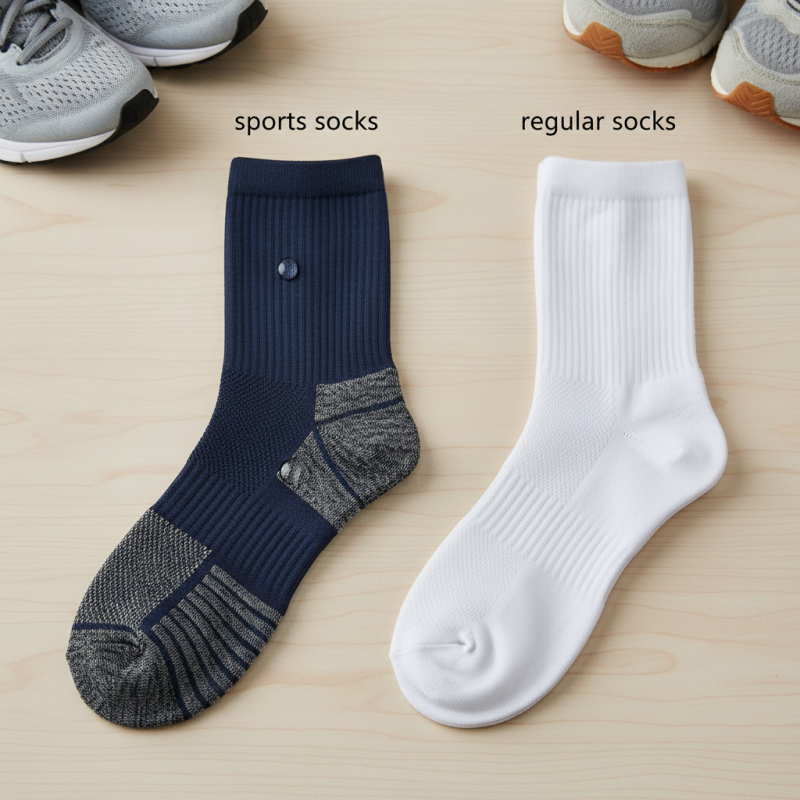
10 Key Differences That Make Sports Socks Better Than Regular Socks?

Understanding the Purpose and Design of Sports Socks

Sports socks are designed specifically for athletic performance. Unlike regular socks, they incorporate advanced materials that enhance breathability. These socks often use synthetic fibers like polyester or nylon, which wick moisture away from the skin. According to a 2022 report by the Sports and Fitness Industry Association, proper moisture management can reduce the risk of blisters by nearly 50%. This is crucial for athletes who push their limits during training and competitions.

The fit of sports socks also plays a major role in their effectiveness. They are engineered to provide targeted compression in key areas, which can improve circulation and support muscles. Research indicates that compression can lead to better endurance and faster recovery. For instance, a study published in the Journal of Sports Science found that athletes wearing compression socks reported less muscle soreness post-exercise.

However, not all sports socks are created equal. Some may lack adequate cushioning or have seams that irritate the skin. In fact, a survey revealed that about 30% of athletes experience discomfort from their socks during intense workouts. This highlights the need for athletes to carefully evaluate what they wear on their feet to avoid unnecessary distractions while performing.

Material Composition: Breathability and Moisture-Wicking Properties

When comparing sports socks to regular socks, material composition plays a crucial role. Sports socks typically feature advanced fabrics that provide superior breathability and moisture-wicking properties. This is vital during intense physical activities. A study published in the Journal of Sports Sciences found that socks made with synthetic materials, like polyester and nylon, can wick moisture away from the skin five times faster than cotton.

Breathability is essential for foot health. Studies show that socks designed for sports allow for greater airflow. According to a report by the American Podiatric Medical Association, poor ventilation can lead to blisters and fungal infections. In contrast, breathable sports socks help keep feet dry and cool, reducing the risk of such issues.

Many athletes have shared personal experiences highlighting the difference. Some noted persistent discomfort with regular socks during workouts. Regular socks retain moisture, leading to irritation. In experimentation, athletes found that switching to sports socks noticeably improved their performance and comfort levels. These small details can significantly affect an athlete's experience and overall foot health.

Cushioning and Support Features of Sports Socks

Sports socks are designed with specific features that enhance performance and comfort. One major aspect is cushioning. This padding is strategically placed in areas that experience the most impact, such as the heels and balls of the feet. This cushioning helps absorb shocks, reducing the risk of blisters and injuries during physical activities. Without this support, regular socks may not provide adequate protection, especially during intense workouts.

Support features in sports socks also play a crucial role. Many sports socks offer arch support, which helps maintain foot stability. This is particularly important for runners and athletes engaged in high-impact sports. Regular socks often lack this essential support, leading to discomfort and fatigue over time. Furthermore, sports socks typically employ moisture-wicking materials. These fabrics keep feet dry and help regulate temperature. In contrast, regular socks can trap moisture, causing discomfort and increasing the likelihood of fungal infections.

While sports socks excel in these areas, they can sometimes be less breathable than regular ones, depending on the materials used. Some athletes may find certain designs restrict movement. There is also a wide variety of sports socks available, and not all may suit every individual's needs. Finding the right fit and style can require some trial and error.

Fit and Compression: Enhancing Performance and Comfort

Sports socks are designed with a unique fit and compression that significantly enhances both performance and comfort. The snug fit ensures that the socks remain in place during physical activities. This minimizes the risk of blisters, a common issue with regular socks that tend to slip. Compression in sports socks helps improve blood circulation in the feet and legs. This can lead to better oxygen delivery to muscles, vital for athletes engaging in intense activities.

Tips: When choosing sports socks, consider the material. Look for moisture-wicking fabrics to keep your feet dry. This can prevent discomfort during prolonged use. Opt for socks that offer different levels of compression. High-compression options may benefit runners, while moderate levels may suit casual athletes.

Think about the length of the sock too. Crew-length is often preferred for added support. However, ankle-length socks might be better for those who don’t want extra bulk. It’s important to try on different styles to find the ideal fit. Remember, not all sports socks are created equal. Reflect on your own experiences and choose wisely to enhance your performance.

Durability and Longevity Compared to Regular Socks

When it comes to durability and longevity, sports socks outshine regular socks significantly. Research from the American Orthopaedic Foot & Ankle Society indicates that a quality pair of sports socks can last up to twice as long as regular cotton socks. This increased lifespan is largely due to the advanced materials used in sports socks. They often feature nylon or polyester blends that resist wear and tear much better than traditional fabrics. Regular socks may quickly develop holes or lose elasticity after just a few washes, while sports socks maintain shape and cushioning for extended use.

Another vital factor is moisture management. Sports socks are designed to wick away sweat, keeping your feet dry during intense activities. According to a study by the Journal of Sports Sciences, damp conditions in regular socks can lead to blisters within merely 15 minutes of exercise. In contrast, moisture-resistant sports socks can absorb moisture efficiently and dry fast, enhancing overall comfort. This not only improves performance but also prolongs the sock’s lifespan, preventing bacterial growth that can damage materials over time. Ultimately, investing in sports socks may save you money and enhance your athletic experience.

10 Key Differences That Make Sports Socks Better Than Regular Socks - Durability and Longevity Compared to Regular Socks

Feature Sports Socks Regular Socks
Material Composition Moisture-wicking synthetic blend Cotton or cotton blends
Cushioning Enhanced cushioning for impact support Minimal or no cushioning
Durability Designed to withstand rigorous activity Prone to wear and tear
Fit Snug fit that prevents slipping Loose fit may lead to bunching
Arch Support Built-in arch support Limited or no support
Breathability Mesh panels for airflow Less breathable fabric
Odor Resistance Odor-resistant treatments Tends to retain odors
Moisture Management Efficient moisture wicking Absorbs moisture
Length Options Available in various lengths (no-show, crew, etc.) Typically standard length
Price Range Generally higher investment Lower price point

FAQS

: What materials are used in sports socks?

: Sports socks primarily use advanced synthetic fabrics like polyester and nylon for better breathability and moisture-wicking.

Why is breathability important in socks?

Breathability ensures greater airflow, keeping feet cool and reducing the risk of blisters and fungal infections during activities.

How do sports socks improve comfort?

Their snug fit prevents slipping and blisters, while compression enhances blood circulation, vital for athletes during intense activities.

Can regular socks cause discomfort?

Yes, regular socks retain moisture, which can lead to irritation and discomfort during workouts. Many athletes experience this.

How long do sports socks last compared to regular socks?

Sports socks can last up to twice as long as regular socks due to durable materials that resist wear and tear.

What should I consider when choosing sports socks?

Look for moisture-wicking materials, different compression levels, and the appropriate sock length for your activities.

What impact does moisture management have on sports socks?

Efficient moisture management helps keep feet dry and reduces the risk of blisters, enhancing comfort and performance during exercise.

Are all sports socks the same?

No, not all sports socks offer the same features. It’s essential to reflect on your personal experience to choose wisely.

Why might one prefer crew-length socks over ankle-length?

Crew-length socks provide added support, while ankle-length options offer less bulk. It depends on personal comfort preferences.

Can investing in sports socks be cost-effective?

Yes, while they may cost more upfront, sports socks’ durability can save you money in the long run by reducing replacement needs.

Conclusion

Sports socks are specifically designed to enhance athletic performance and comfort, making them distinctly different from regular socks. Understanding what makes sports socks different from regular socks begins with their purpose and design, which prioritize the needs of active individuals. The material composition of sports socks typically includes breathable and moisture-wicking properties that help keep feet dry and comfortable during intense physical activities.

Additionally, sports socks offer specialized cushioning and support features that reduce impact and prevent blisters, ultimately enhancing comfort. Their fit and compression technology not only promotes better blood circulation but also aids in muscle support, further distinguishing them from standard socks. Lastly, sports socks are generally more durable, providing longevity even under rigorous use, which is a significant advantage over regular socks. These characteristics collectively highlight the essential benefits of opting for sports socks for both casual and competitive athletes.

Oliver

Oliver

Oliver is a seasoned marketing professional with a wealth of expertise in driving brand awareness and engagement. With a deep understanding of our company's product offerings, he consistently delivers high-quality content that enriches our professional blog. His insights not only shed light on......