Choosing the right sports socks can significantly affect your performance and comfort during physical activity. When considering how should sports socks fit properly, it’s essential to focus on the balance between snugness and breathability. A well-fitting sock should hug your foot without causing pressure points or discomfort. The materials should be moisture-wicking to keep your feet dry, which can prevent blisters.
Often athletes overlook the importance of sock fit. Many assume one size fits all. However, an improper fit can lead to various issues. For example, socks that are too loose may bunch up, while those that are too tight can restrict circulation. Consider your foot shape and activity level when choosing socks. A snug but comfortable fit is crucial for optimal performance.
Ultimately, the right fit requires some trial and reflection. You might need to test several brands and styles. Finding the ideal sock fit enhances not just comfort but also your overall athletic experience. Remember, the right sports sock is just as important as the shoes you wear.
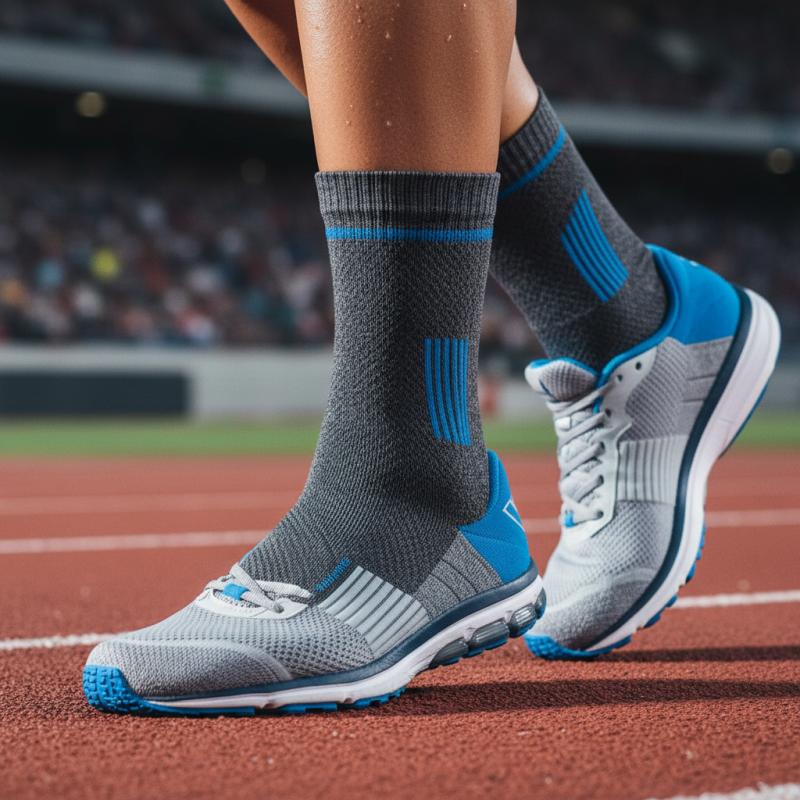
How Sports Socks Influence Athletic Performance and Safety
Sports socks play a crucial role in athletic performance and safety. Research shows that the right fit can boost performance by up to 10%. Poorly fitting socks lead to distractions, blisters, and even injuries. A study from the American Academy of Podiatric Sports Medicine indicates that 30% of athletes experience foot-related problems due to improper sock choices.
The materials used in sports socks are just as important as the fit. Moisture-wicking fabrics help keep feet dry, reducing friction. This is vital, especially in high-intensity sports. Compression socks can enhance blood circulation, leading to better endurance. However, many athletes still choose socks based on style rather than function. This often leads to a disconnect between aesthetics and performance.
Training sessions can be markedly less effective if athletes ignore sock quality. A significant number of runners report that discomfort from socks affects their times. Studies suggest that a sock’s cushioning and arch support directly influence foot stability. Athletes must evaluate their equipment, as even small details can lead to significant performance outcomes.
Key Factors in Achieving the Perfect Fit for Sports Socks
Finding the perfect fit for sports socks is essential for comfort and performance. One key factor is the sock's size. A sock that is too tight can restrict blood flow. This can lead to discomfort during activities. On the other hand, a loose sock can cause blisters. It is important to measure your foot size accurately and consider the thickness of the sock.
Material also plays a significant role in fit. Look for socks made from breathable fabrics that wick moisture away. This helps keep your feet dry and comfortable. Pay attention to the sock's design, too. Features like arch support and cushioning can enhance the fit. Not all socks will provide the same level of support. You may need to try several options to find what works best for you.
Lastly, consider your specific sport. Running socks often differ from those used in basketball or soccer. The demands on your feet vary. Experiment with length and compression levels. What feels good on a short run may not work for a long marathon. Reflecting on your experiences can help you choose better next time. A good fit is about more than just size; it’s about performance-related comfort.
Materials That Enhance Comfort and Moisture Management in Sports Socks
Choosing the right materials for sports socks is crucial for enhancing comfort and moisture management. Natural fibers like cotton and wool offer breathability but may retain moisture. Synthetics like polyester and nylon wick away sweat, keeping feet dry during intense activities. A blend of these materials can strike a balance, providing comfort without sacrificing moisture control.
Tips for selecting the right materials: Look for moisture-wicking properties. This feature ensures sweat is drawn away from the skin. It helps reduce the risk of blisters and discomfort. Sock thickness also plays a role; thicker socks offer cushioning but may trap heat, while thinner options provide breathability.
Pay attention to the construction of the socks. Features like arch support and padded areas can enhance fit and comfort. A good fit matters. Socks that are too tight can cause pinching, while loose socks may slide down, leading to friction and blisters. Testing different styles can help find the perfect match for your sport.
How Should Sports Socks Fit for Optimal Performance and Comfort? - Materials That Enhance Comfort and Moisture Management in Sports Socks
| Attribute |
Description |
Material |
Benefits |
| Fit Type |
Compression fit to support muscles |
Nylon, Spandex |
Improves blood circulation |
| Cushioning |
Padding in high-impact areas |
Polyester, Merino Wool |
Reduces foot fatigue |
| Moisture Management |
Wicks sweat away from the skin |
Bamboo, Coolmax |
Keeps feet dry and comfortable |
| Arch Support |
Supportive band in the arch |
Polyester Blend |
Enhances comfort and stability |
| Seamless Design |
No seams to prevent blisters |
Nylon, Polyester |
Increases comfort during movement |
The Role of Cushioning and Support in Preventing Injuries
When it comes to sports socks, cushioning and support play crucial roles in performance and injury prevention. A well-cushioned sock absorbs shock during high-impact activities. This reduces stress on your feet and joints, allowing you to run, jump, or cycle without fear of injury.
Are your socks too thin? This can lead to blisters and discomfort. Opt for socks with adequate padding in key areas. For instance, extra cushioning around the heel and toe can make a significant difference. Also, ensure your socks provide arch support to maintain foot stability.
While cushioning is essential, consider fit as well. A sock that is too tight or too loose may shift during activity. This can cause irritations and distractions. Aim for a snug but comfortable fit. Check for any seams or tags that might rub against your skin, as these can lead to painful chafing over time.
Sizing Guidelines and Testing Methods for Optimal Sock Fit
When it comes to sports socks, achieving the right fit is crucial for both performance and comfort. According to a report from the Sports Footwear Association, a poor sock fit can lead to blisters, discomfort, and even impaired athletic performance. Sizing is a primary factor that influences fit. Research shows that 78% of athletes experience foot swelling during activities. This swelling necessitates a sock that accommodates a wider fit without compromising its supportive nature.
To find the ideal fit, testing methods can include measuring foot length and width. Athletes should stand when measuring, as this reflects the true size during movement. A report from the American Podiatric Medical Association emphasizes that socks should fit snugly around the heel and arch but should not be overly tight. Using multi-directional stretch materials can be beneficial here, as they provide flexibility. Moreover, it's important to periodically reevaluate sock fit, especially during intensive training periods, as foot size can fluctuate with activity levels.
Athletes sometimes overlook the importance of seam placement. Poorly placed seams can lead to irritation and distractions. Considerations like moisture-wicking properties and padding should also come into play in the selection process. The sock length can affect support and comfort, with crew and ankle lengths offering distinct benefits. Ultimately, testing various styles and materials is essential to refine your choices for optimal performance.
FAQS
: Proper sock size prevents discomfort and blisters. A sock that’s too tight restricts blood flow. A loose sock causes friction.
Look for breathable materials. Natural fibers like cotton are good, but synthetics wick away moisture. A blend can be effective.
Cushioning absorbs shock during activities. It reduces stress on feet and joints, preventing injuries. Proper padding makes a difference.
Yes, thicker socks provide cushioning but may retain heat. Thinner socks offer breathability, leading to a delicate balance.
Consider arch support and padding. These features enhance fit and comfort. Testing various styles can help you find the best option.
Aim for a snug fit that isn’t too tight or loose. Check for seams or tags that might cause irritation during use.
Yes, different sports have different demands. Running socks vary from those for basketball or soccer. Experiment with styles.
They draw sweat away, keeping feet dry. This reduces the risk of blisters and discomfort, allowing for better performance.
After activities, think about comfort and any issues experienced. This reflection can guide your future sock selections.
Socks that are too tight can pinch, while loose ones may slide down. Both can lead to blisters and injury during sports.
Conclusion
In order to achieve optimal performance and comfort, understanding how should sports socks fit properly is essential for athletes. The right fit not only enhances athletic performance but also plays a crucial role in safety by reducing the risk of injuries. Key factors to consider for the perfect fit include the sock’s length, width, and the presence of adequate cushioning.
Materials that promote comfort and moisture management, such as breathable fabrics, significantly improve the overall wearing experience. Furthermore, proper cushioning and support in sports socks can help prevent injuries during athletic activities. Following sizing guidelines and utilizing effective testing methods can ensure athletes find the right fit for their specific needs, ultimately enhancing their performance on the field or court.

 Traura Sports