Choosing the right socks for cycling and long rides is crucial for comfort and performance. According to a report from the Journal of Sports Sciences, a significant number of cyclists experience foot discomfort during long rides. This discomfort often results from inadequate sock selection. Understanding how to choose socks for cycling and long rides can make a real difference.
Quality socks can enhance moisture management and reduce blisters. A study published by the International Journal of Sports Medicine indicated that proper sock material significantly affects temperature regulation and sweat absorption. Cyclists should consider factors like cushioning, fit, and breathability. It’s essential to reflect on personal needs and preferences, as not all cyclists will require the same features.
While many cyclists focus on cycling gear, socks often get overlooked. However, investing in the right pair can elevate a cycling experience. Poorly chosen socks can lead to discomfort, affecting overall performance. By taking the time to learn how to choose socks for cycling and long rides, cyclists can improve their ride quality while minimizing potential issues.
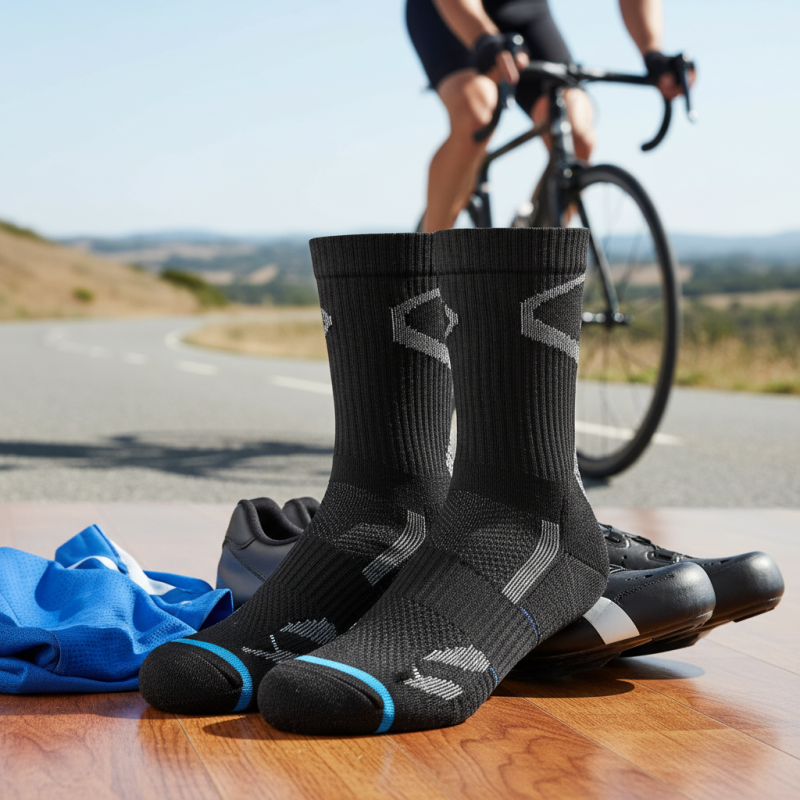
When cycling for long distances, the choice of socks often gets overlooked. However, the right socks can significantly impact your comfort and performance. Well-designed cycling socks provide better moisture management. They wick away sweat and keep your feet dry, reducing the risk of blisters during long rides.
Consider the materials carefully. Merino wool is a popular choice for its breathability and temperature regulation. Synthetics can also work well, offering durability and consistent compression. Compression socks help improve blood circulation but may feel restrictive. Choose what fits your needs best.
Prioritize the fit of your socks. Ill-fitting socks can bunch up and cause discomfort. Look for seamless designs to minimize friction. Remember, choosing the wrong socks can ruin your ride. Reflect on past experiences: Did your socks contribute to discomfort? Learning from each ride helps in making better choices for your next adventure.
When selecting socks for cycling, the choice of material is crucial. The right fabric impacts comfort and durability on long rides. Merino wool is a popular option. It offers breathability and insulation. This natural fiber helps regulate temperature, keeping feet warm in cold weather and cool during hot days. However, some may find wool can be itchy or hard to wash.
Synthetic materials like polyester and nylon provide moisture-wicking capabilities. They keep feet dry and reduce the risk of blisters. These fabrics are lightweight, making them ideal for long distances. Yet, they may lack comfort compared to natural fibers. It's important to test different socks to find what works for you. Sometimes, a blend of materials offers the best of both worlds.
Fit is another key aspect. Ill-fitting socks can lead to discomfort. Look for socks with cushioning in critical areas. This will provide support during long rides. While you may prefer thick socks, remember they can also add bulk. You might need to adjust your cycling shoes for the perfect fit. Trust your experience and experiment with different options to find your ideal pair.
When selecting socks for cycling, fit is crucial. A proper fit ensures that your foot is snug without being too tight. According to a report by the American Orthopaedic Foot & Ankle Society, a poorly fitting sock can lead to discomfort and even injury during long rides. Socks should follow the contours of your foot. They must have enough elasticity to hold your foot in place without causing pinching.
Materials also play a role. Moisture-wicking fabrics can improve overall comfort. A study published in the Journal of Sport and Health Science found that cyclists wearing suitable socks had lower instances of blisters and hotspots. Additionally, consider the length. Crew or compression socks can provide extra support, particularly for longer rides. Aim for a sock that sits just above the ankle for added protection against abrasion.
While comfort is essential, some overlook sizing details. Many cyclists choose one size without checking specific measurements. A sock that's too small can lead to restrictive blood flow. Conversely, an oversized sock can bunch up and create friction. Regularly reassess your sock choice; your foot size can change over time. Focus on finding the optimal fit for an enjoyable cycling experience.
Choosing the right socks for cycling is crucial for comfort. Moisture management is especially important during long rides. Wet socks can lead to blisters and discomfort. When selecting socks, look for breathable materials. Fabrics that wick moisture away from the skin can keep your feet dry.
Consider the fit of the socks. Socks that are too tight can trap moisture. Loose socks may bunch up, causing friction. An optimal fit is essential for preventing issues like blisters. Pay attention to the sock height. Taller socks can help keep dirt and sweat away from your legs.
During rides, take breaks to assess your feet. Check for signs of moisture and irritation. Sometimes, stopping for a moment can help you identify issues before they become serious. A small discomfort can escalate into a major problem on longer rides. Keeping your feet dry involves choices, from socks to techniques. Reflect on what works best for you and make adjustments along the way.
When choosing socks for cycling, padding and compression play crucial roles. Well-padded socks cushion your feet. They absorb impact and reduce strain during long rides. Look for socks with targeted padding in high-pressure areas. This will enhance comfort significantly.
Compression socks improve blood circulation. They help prevent fatigue and numbness in your feet. Many cyclists report less swelling after long rides when using compression socks. However, it’s essential to find the right fit. Too tight can restrict blood flow, causing discomfort instead of relief.
Watch for material quality as well. Breathable fabrics keep feet dry. This prevents blisters and irritation, a common issue for cyclists. While thick socks seem cozy, they can trap heat. Experiment with various options to see what works best. Your feet deserve that attention.
: A proper fit ensures comfort and prevents injuries during long rides.
Poorly fitting socks can cause discomfort, pinching, or even serious injury over time.
Look for moisture-wicking fabrics to keep feet dry and enhance comfort.
Taller socks help keep dirt and sweat away, providing protection during rides.
Wet socks can lead to blisters, discomfort, and fatigue during long rides.
Take breaks to assess your feet. Early detection can prevent larger issues later.
Padding cushions the feet, while compression improves circulation and reduces fatigue.
Ensure the sock isn’t too tight or loose. It should feel supportive without restricting blood flow.
Yes, foot size can change. Regularly reassess your choices for the best fit.
Thick socks may trap heat. Experiment to find the balance between warmth and breathability.
When considering how to choose socks for cycling and long rides, it's crucial to recognize their impact on performance and comfort. The right socks can enhance your cycling experience by offering proper support, moisture management, and added protection. Start by selecting high-quality materials that provide both durability and comfort, ensuring your feet stay dry during long rides.
Additionally, finding the correct fit is essential; socks that are too tight or too loose can lead to discomfort and distractions on the road. Look for features like padding and compression, which not only enhance comfort but also help reduce fatigue during extended cycling sessions. By paying attention to these factors, you can make informed decisions that improve your overall riding experience.

Traura Sports