Keeping your feet dry during intense sports is crucial for peak performance and injury prevention. According to a report by the American Podiatric Medical Association, nearly 75% of athletes experience foot-related issues due to moisture and friction. This statistic highlights the importance of understanding how to keep feet dry during intense sports. Dr. Jonathan Tremaine, a renowned sports podiatrist, emphasizes, “Moisture management is essential for athletes to maintain optimal foot health and comfort.”
Athletes often overlook the impact of wet feet. Wetness can lead to blisters, fungal infections, and other problems. Proper gear selection, like moisture-wicking socks and breathable shoes, is essential. Foot hygiene also plays a significant role; regularly washing and drying feet can prevent issues.
However, many athletes struggle with these basics. They might ignore the signs of discomfort until it’s too late. Awareness and proactive measures are vital. Implementing effective strategies can significantly enhance performance and prevent injuries. Addressing the common pitfalls will lead to better foot health and a more enjoyable sports experience.
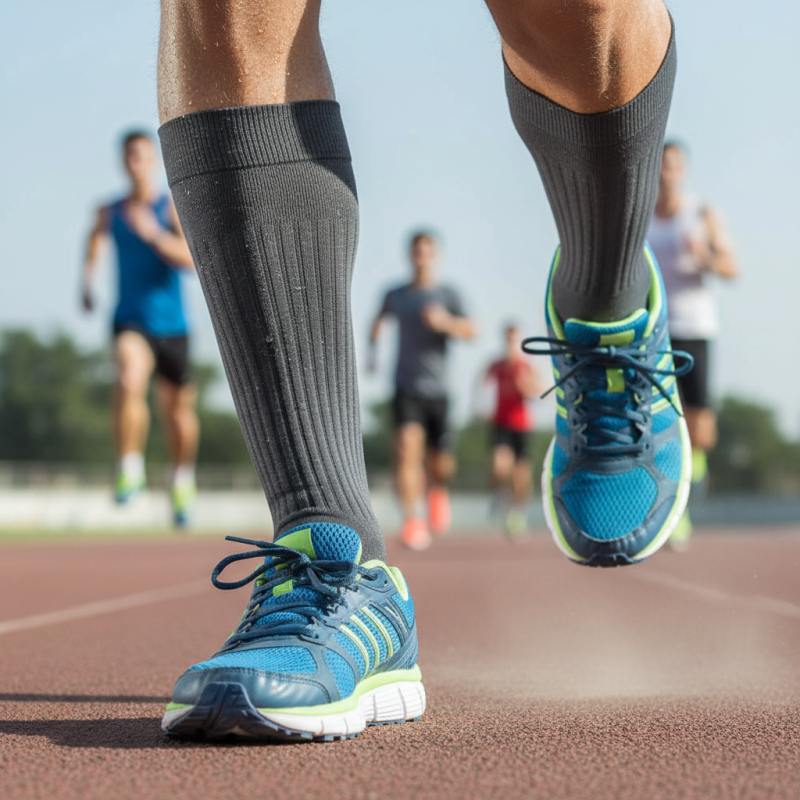
Choosing the right moisture-wicking socks is crucial for keeping your feet dry during intense sports. These specialized socks are designed to keep sweat away from your skin, reducing the chances of blisters and discomfort. Look for fabrics like polyester or merino wool—they're known for their excellent moisture management. Pay attention to the sock's fit; snug but not tight is ideal.
When selecting socks, consider the length. Crew socks work well for some activities, while ankle-height socks may suit others. A thicker cushioning can provide more support but might retain more moisture. Experiment with different types to find what feels best for you.
Keep in mind that even the best socks won't work miracles. Regularly inspect your socks for wear and tear. A worn-out sock might not wick moisture effectively. After vigorous exercise, make it a habit to change into dry socks as soon as possible. It’s a small adjustment, but it can make a big difference in your performance.
Selecting the right sports footwear is vital for maintaining dry feet during intense physical activities. Breathability is a key factor to consider. Shoes made from mesh materials allow air circulation. This helps evaporate moisture quickly. Look for designs that feature ventilation holes. The more airflow, the better.
A poor fit can worsen moisture retention. Trainers should have enough room but not too loose. Your toes shouldn't feel cramped. Tight shoes can trap sweat. This can lead to skin irritations. If your footwear lacks drainage, you may need to rethink your choice. Some sports shoes come with moisture-wicking linings, which are beneficial.
Footwear can make or break your performance. Remember, heavy materials can lead to discomfort. Lightweight shoes are often a better choice. However, think about the trade-off. Lightweight shoes may lack support. You will need to balance comfort and functionality. Staying aware of these factors is crucial for athletes. Each player's needs are different, so listen to your feet.
| Tip Number | Tip Description | Footwear Type | Breathability Rating |
|---|---|---|---|
| 1 | Choose moisture-wicking socks | Running shoes | 8/10 |
| 2 | Consider footwear with ventilation holes | Basketball shoes | 7/10 |
| 3 | Use antifungal powder on feet | Football cleats | 6/10 |
| 4 | Select quick-drying materials | Hiking boots | 9/10 |
| 5 | Avoid tight-fitting shoes | Cross-training shoes | 7/10 |
| 6 | Opt for lightweight shoes | Trail running shoes | 8/10 |
| 7 | Regularly change shoes during long events | Endurance shoes | 9/10 |
| 8 | Choose shoes with moisture management features | Soccer shoes | 8/10 |
| 9 | Incorporate foot care routines regularly | Skating shoes | 7/10 |
| 10 | Practice good hygiene after sports | Volleyball shoes | 6/10 |
When engaging in intense sports, keeping your feet dry is crucial. Moisture buildup can lead to blisters and fungal infections. Utilizing foot powder is an effective method to absorb sweat and reduce moisture. According to the Journal of Sports Medicine, athletes can decrease foot sweat by up to 25% with the right foot powder.
Applying foot powder directly to clean, dry feet before starting your activity creates a moisture barrier. This is a simple yet effective tip. Focus on applying it between your toes and the soles, where sweat accumulates the most. Frequent applications may be necessary during prolonged events or activities.
Incorporating breathable footwear is another key tip. Shoes made from moisture-wicking materials can enhance the effectiveness of foot powders. Research shows that wearing proper ventilation footwear can reduce sweat retention significantly. An athlete’s comfort is directly related to foot health, and dry feet contribute to better performance.
Reflecting on your routine can highlight areas for improvement in foot care. Incorporate these practices to maintain optimal foot dryness during intense activities.
Maintaining foot dryness during intense sports requires a solid hygiene routine. Regular washing is crucial. After each workout, wash your feet with soap and warm water. Focus on the spaces between your toes. Ensure thorough drying afterwards. Moisture trapped in these areas can cause discomfort and lead to fungal infections.
Use moisture-wicking socks made from breathable materials. They help transfer sweat away from your skin. Change damp socks quickly if you notice excessive moisture during your activities. It may feel annoying, but it’s a necessary step. Foot powder can be beneficial too. Apply it to keep your feet dry throughout the day.
Consider your footwear as well. Proper ventilation is key. Avoid shoes that restrict airflow. When you get home, let your shoes dry out. If they feel damp, leave them in a well-ventilated area. Reflect on how often you neglect these practices. Small changes can make a big difference in keeping your feet comfortable and dry.
Intense sports can lead to sweaty, damp feet, creating an environment prone to fungal infections and odors. A significant percentage of athletes experience foot fungus, with studies suggesting up to 70% of athletes suffering from some sort of foot issue. To combat this, anti-fungal sprays serve as a powerful defense. These products can reduce moisture and protect against harmful fungi during high-pressure situations.
Using anti-fungal sprays regularly can improve foot hygiene and comfort. Ensure you apply this spray to clean, dry feet before athletic activities. This practice alone can make a major difference in preventing infections.
To keep your feet dry, consider wearing moisture-wicking socks. They help pull sweat away from your skin. Changing your socks during long sessions can also keep your feet dry and odor-free. Another tip is to air out your shoes after each use. Lack of airflow can create a breeding ground for bacteria and fungi. While intense sports push us to our limits, neglecting foot care can lead to bigger issues later.
Stay proactive with your foot health for better performance.
: Foot powder absorbs sweat and reduces moisture, preventing blisters and fungal infections.
Apply it to clean, dry feet before starting any activity for best results.
Concentrate on applying it between your toes and on the soles of your feet.
Yes, frequent applications may be necessary to maintain dryness during prolonged activities.
Breathable shoes made from moisture-wicking materials enhance the effectiveness of foot powders.
Studies suggest that up to 70% of athletes face some sort of foot problem.
Use anti-fungal sprays regularly and apply them to clean, dry feet before activities.
Moisture-wicking socks help pull sweat away, keeping your feet dry and odor-free.
Yes, changing socks can help maintain dryness and freshness for your feet.
Neglecting foot care can lead to bigger issues, affecting performance in the long run.
To ensure comfort and performance during intense sports, understanding how to keep feet dry is essential. This article provides valuable tips, starting with the selection of moisture-wicking socks, which effectively draw sweat away from the skin, keeping feet dry. Additionally, choosing breathable sports footwear plays a crucial role in promoting air circulation, thus preventing excess moisture buildup.
Implementing regular foot hygiene practices is another key strategy to maintain dryness, along with utilizing foot powder to absorb sweat. Finally, employing anti-fungal sprays can help prevent unpleasant odors and potential infections, especially during high-pressure moments. By following these guidelines, athletes can enhance their performance and protect their foot health when engaging in vigorous activities.

Traura Sports