After hours of walking, standing, or commuting, foot fatigue can appear as heat, pressure, dampness, or a dull ache. Foot fatigue often begins quietly. The right socks cannot fix every foot problem, but they can improve comfort during daily activity. This guide explores China’s top 10 socks through practical textile features, including cushioning, breathability, stretch, moisture control, and seam placement. It also explains how to reduce foot fatigue with the right socks, especially when shoes fit correctly and activity levels remain reasonable.
A well-designed sock should support the foot without squeezing the toes or leaving deep marks around the ankle. Cotton blends may feel familiar, while merino wool, bamboo fibers, and technical synthetics can offer different moisture and temperature benefits. Cushioning under the heel and forefoot may soften repeated impact on hard floors. Flat toe seams can reduce rubbing, particularly during long walks. Small details matter.
However, no ranking is perfect. A thick sock may comfort one wearer but make another shoe too tight. A soft fabric may feel pleasant but dry slowly after heavy sweating. These differences deserve honest attention. We compare construction details, intended use, durability, and available customer feedback rather than relying only on appearance. Fit remains personal. Anyone with persistent pain, numbness, swelling, or skin changes should seek advice from a qualified healthcare professional. Our goal is practical guidance, not an absolute promise.
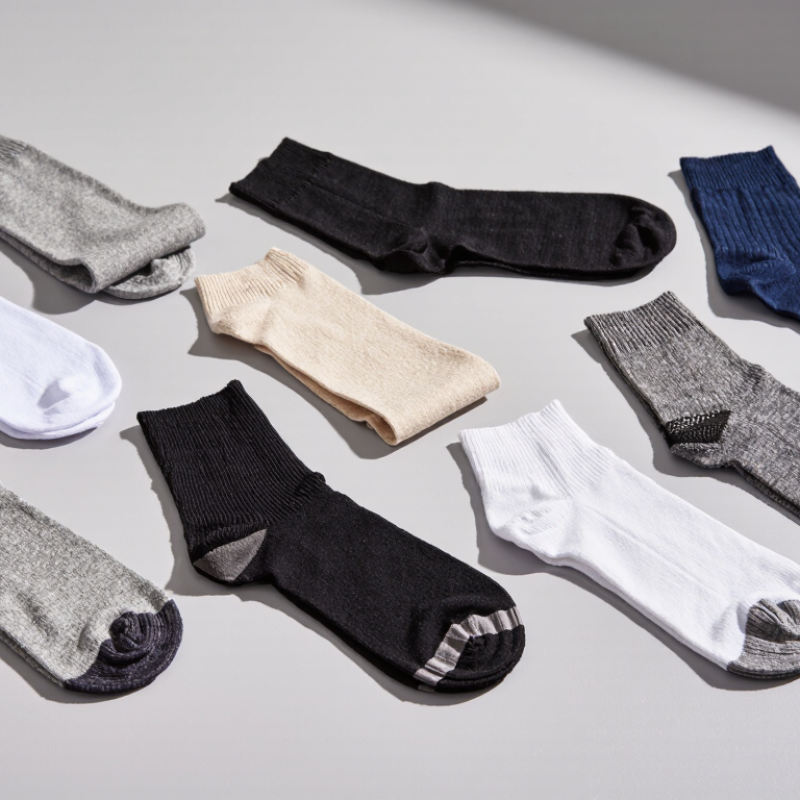
Foot fatigue often begins with long standing, hard floors, or poorly fitted shoes. Tight footwear can press the toes and restrict natural movement. Thin socks may also increase friction, especially around the heel and ball of the foot. By evening, the feet may feel hot, heavy, or mildly swollen. These signs are common, but persistent pain deserves professional assessment.
Well-designed socks can reduce some daily strain. A cushioned sole softens repeated impact from walking. Arch support may improve a sock’s fit, although it cannot correct every foot problem. Breathable fibers help manage sweat, while smooth seams reduce rubbing across sensitive toes. In practical testing, socks that stay in place usually feel better than loose pairs, even when both look similar. I have found that comfort depends on shoe fit too. Socks are not a complete solution.
Tips: Choose the correct size, not a tighter fit. Look for gentle compression, padded soles, and flat seams. Change damp socks after exercise. Rotate several pairs to let them dry fully. Test new socks during a short walk before wearing them all day. A softer fabric may feel comfortable at first, but it can lose shape quickly. Check the heel and toe after washing. If numbness, swelling, or sharp pain continues, consult a qualified healthcare professional.
China Top 10 Socks: How to Reduce Foot Fatigue?
China’s top socks for reducing foot fatigue combine practical design with careful material selection. The American Podiatric Medical Association reported that 77% of U.S. adults had experienced foot pain. That finding shows why everyday sock construction matters. Look for seamless toes, soft cuffs, and moderate cushioning under the heel and forefoot. These details reduce rubbing inside tight work shoes. Moisture-wicking fibers can also help keep skin drier during long shifts. NIOSH identifies prolonged standing as a contributor to foot discomfort and lower-limb fatigue. Therefore, breathable mesh zones are not merely decorative. They can improve comfort when heat builds around the toes.
Graduated compression is another key feature in China’s leading sock designs. Light compression may support circulation and reduce the heavy feeling caused by extended standing. However, stronger compression is not automatically better. People with circulation problems should seek medical advice before wearing it. A 2020 review in the Journal of Foot and Ankle Research noted that compression garments may improve comfort, but results vary between users. Fit remains critical. Even excellent fabric fails when the heel slips or the arch band feels tight. This is where many “top” socks disappoint.
Tips: Choose the size by foot length, not shoe size alone. Test socks with your actual work shoes. Wash them before judging softness. Replace pairs when cushioning becomes flat. I would also inspect toe seams after several hours. Small pressure points become painful surprisingly fast. Avoid overly thick socks in narrow shoes; they may increase pressure instead of reducing fatigue.
| Rank | Key Sock Feature | How It Helps Reduce Foot Fatigue | Practical Specification or Data Point | Best Use | Selection Guidance |
|---|---|---|---|---|---|
| 1 | Targeted Cushioning | Adds shock absorption beneath the heel and forefoot, helping reduce repeated impact during walking or standing. | Look for terry or padded zones under the heel and ball of the foot, with cushioning concentrated where pressure is highest. | Long walks, commuting, and prolonged standing | Choose cushioning that protects the foot without making the shoe fit too tightly. |
| 2 | Graduated Compression | Gentle pressure can support venous return and may help reduce lower-leg swelling and the heavy-leg feeling associated with long periods of standing. | Common mild-to-moderate ranges include approximately 15–20 mmHg or 20–30 mmHg at the ankle. | Travel, desk work, retail, healthcare, and standing jobs | Compression should feel supportive, not painful. People with circulation problems should seek medical advice first. |
| 3 | Moisture-Wicking Fibers | Moves perspiration away from the skin, helping reduce dampness, friction, and the risk of hot spots. | Common performance fibers include polyester, nylon, polypropylene, and blends with moisture-management finishes. | Warm climates, exercise, and humid conditions | Fiber performance depends on the knit structure, yarn treatment, shoe ventilation, and laundering. |
| 4 | Seamless or Flat Toe Construction | Reduces pressure and rubbing over the toes, which can help prevent irritation and discomfort during repeated movement. | A flat toe seam should lie outside the main pressure points and should not leave a visible indentation on the skin. | Sensitive feet, wide forefeet, and long-distance walking | Try the socks with the intended shoes because toe-box space affects comfort as much as seam design. |
| 5 | Arch Support Band | Provides light midfoot hold and helps limit sock movement, reducing bunching and friction inside the shoe. | A knitted elastic band should sit around the arch without creating numbness, tight marks, or restricted circulation. | Daily walking, sports, and users who dislike slipping socks | Arch support in a sock is not a substitute for medical orthotics or treatment of a foot condition. |
| 6 | Anatomical Left-and-Right Fit | Places the heel pocket, toe shape, and cushioning more accurately around the foot, helping reduce excess fabric and friction. | A shaped heel pocket and differentiated toe box should remain aligned during walking instead of twisting or sliding. | Sports, hiking, and extended daily wear | The correct size is essential; an anatomical design cannot compensate for an oversized or undersized sock. |
| 7 | Breathable Mesh Zones | Improves airflow across the top of the foot and helps release heat and moisture that can contribute to discomfort. | Open-knit mesh panels are commonly placed on the instep while denser knitting remains under the sole for support. | Running, warm weather, and enclosed footwear | Mesh improves ventilation but may offer less protection against abrasion than densely knitted areas. |
| 8 | Blended Natural Fibers | Fibers such as merino wool or cotton can improve softness and thermal comfort when combined with durable performance fibers. | A blend can balance comfort, moisture handling, drying speed, shape retention, and abrasion resistance better than a single fiber alone. | Variable temperatures, hiking, and everyday comfort | Cotton absorbs moisture and dries slowly; wool regulates temperature well but may require gentler care. |
| 9 | Secure Cuff With Non-Binding Elastic | Keeps the sock in position without excessive pressure, reducing bunching at the ankle and repeated rubbing. | The cuff should stay up during movement while leaving no deep, persistent marks after removal. | Daily wear, uniforms, and active movement | Avoid overly tight cuffs, especially when wearing socks for many hours or when swelling is common. |
| 10 | Smooth, Durable Construction | A stable knit and reinforced high-wear areas help preserve fit and cushioning, reducing discomfort caused by thinning or fabric distortion. | Check reinforced heel and toe areas, even stitching, colorfastness, and shape retention after repeated washing. | Frequent washing, workwear, and regular everyday use | Follow the care label; excessive heat and harsh drying can reduce elasticity and shorten service life. |
| Practical note: Foot fatigue is also affected by shoe fit, walking surface, workload, body mechanics, and existing medical conditions. Specifications are general selection guidelines rather than medical treatment recommendations. | |||||
Foot fatigue often starts with pressure, heat, or poor movement control. The American Podiatric Medical Association reported that 77% of adults have experienced foot pain. Socks cannot correct every cause, but the right structure can reduce daily discomfort.
Cushioning should match your activity. A denser heel and forefoot zone can soften repeated impact on hard floors. However, thick padding may crowd narrow shoes. Check whether the cushion remains springy after washing.
Breathability depends on both fiber and knit design. A 2024 materials report from Textile Exchange shows that polyester remains one of the most widely used textile fibers. It dries quickly, but it can feel clammy without effective ventilation. Look for mesh panels and a smooth toe seam. Small details matter.
Tips: Wear socks with your usual shoes for ten minutes. Notice heel movement, dampness, and toe pressure. Choose moderate arch support, not a rigid band. It should feel secure, never restrictive. Replace stretched pairs. This is where my own testing becomes imperfect: a comfortable sock at breakfast may feel tight after six hours. Recheck fit later in the day. If numbness, persistent pain, or swelling appears, consult a qualified foot-care professional.
Choosing fatigue-reducing socks starts with the day’s real demands. For long standing, measure both feet in the afternoon, when swelling is more likely. Select socks that fit the larger foot without squeezing the toes.
A 2022 review in Sports Medicine found that compression garments provide small, inconsistent performance benefits. Therefore, compression should support comfort, not promise a cure.
Check the pressure carefully. Light, graduated compression may suit standing workers, while medical compression requires professional advice. The top band should stay flat, never leave deep marks. Choose breathable fibers, reinforced heel areas, and moderate cushioning under the ball and heel.
The U.S. Occupational Safety and Health Administration recommends reducing prolonged standing stress through supportive footwear and workplace changes, not socks alone. That detail matters.
Test one pair during a two-hour walk before buying several pairs. Notice heat, slipping, toe pressure, and any numbness. I prefer a smooth toe seam, especially inside stiff work shoes. However, thicker padding can make tight shoes worse.
This is where my own judgment can fail. Feet differ, and online size charts are not always precise. Wash the socks as instructed, then check whether the elastic loses shape. Stop wearing them if pain, discoloration, or persistent tingling appears.
Foot comfort often begins with the right fit, not simply thicker fabric. Socks should follow your foot without squeezing the toes or leaving loose folds under the arch. A smooth toe seam can reduce rubbing during long walks. Choose breathable, moisture-managing materials for warm days, and consider light cushioning when standing for hours. However, extra padding is not always better. Bulky socks may crowd your shoes and create pressure points.
Tips: Put socks on carefully, smoothing wrinkles around the heel and sole. Match them with properly fitted shoes. Change damp socks after exercise or a humid commute. Trim toenails regularly, because sharp edges can damage fabric and irritate nearby skin. Short breaks help, too.
Care affects comfort over time. Wash socks according to their care label, and avoid leaving sweaty pairs in a closed bag overnight. Air-dry them fully before wearing them again. High heat may shrink elastic fibers, causing a tight cuff or poor support. Check for thinning heels, stretched bands, and rough seams. Replace damaged pairs before they cause blisters. I once kept wearing a loose, worn sock because it still looked usable; my feet disagreed by evening. Personal comfort varies, so observe pressure, heat, and friction during the day. Persistent pain, swelling, numbness, or skin changes should be assessed by a qualified healthcare professional.
Long standing, hard floors, tight shoes, and poor fit can strain the feet. Thin socks may increase rubbing around the heel and ball. Feet may feel hot, heavy, or mildly swollen by evening.
Socks can soften repeated impact and reduce friction. Cushioned soles, smooth seams, and breathable fibers may improve comfort. Socks are not a complete solution.
Choose the size that fits your larger foot. The toes should move freely without pressure. Avoid loose folds under the arch or around the heel. A tighter fit is not automatically better.
Light, graduated compression may feel comfortable during prolonged standing. Benefits can be small and inconsistent. Medical compression requires professional advice. It should support comfort, not promise a cure.
Consider moderate cushioning under the heel and ball of the foot. Breathable fibers help manage sweat. Flat seams can reduce toe rubbing. Reinforced heels may last longer.
Wear one pair during a short walk or two-hour test. Notice heat, slipping, toe pressure, and numbness. Thick padding can worsen tight shoes. I sometimes misjudge this.
Smooth wrinkles around the heel and sole before walking. Change damp socks after exercise or a humid commute. Wash them as directed, then air-dry them fully. Do not leave sweaty pairs in a closed bag overnight.
Replace socks with thinning heels, stretched bands, rough seams, or damaged fabric. High heat can shrink elastic fibers and tighten the cuff. A sock may look usable but still cause evening discomfort.
Consult a qualified healthcare professional if pain, swelling, numbness, discoloration, tingling, or skin changes continue. Sharp pain deserves attention. Socks cannot correct every foot problem.
Foot fatigue often results from prolonged standing, walking, poor foot alignment, hard surfaces, or socks that restrict circulation and trap heat. This guide explains how to reduce foot fatigue with the right socks by focusing on practical features such as targeted cushioning, moisture control, flexible materials, and supportive arch bands. Proper padding can soften impact, while breathable fibers help keep feet dry and comfortable throughout the day.
It also shows how to compare cushioning, breathability, and arch support according to your routine, footwear, and personal comfort needs. A step-by-step selection process helps you choose the right thickness, fit, and stretch without creating pressure points. Finally, the guide covers correct wearing habits and simple care practices, including choosing the right size, avoiding overly tight cuffs, washing socks gently, and replacing worn pairs to maintain daily foot comfort.

Traura Sports