Socks are a staple in our daily wardrobe, yet they often show signs of wear far too soon. A recent industry report reveals that nearly 30% of consumers replace their socks every three months. This frequent replacement raises the question: what causes socks to wear out quickly? Understanding this issue can help consumers make informed choices.
Many people are unaware that improper care and low-quality materials significantly contribute to premature sock wear. For instance, a study highlighted that socks made from synthetic fibers tend to suffer loss of elasticity faster than those made with natural materials. Additionally, activities like excessive friction during athletic use can result in rapid deterioration. It's crucial to recognize these factors.
Reflecting on our sock choices, we might neglect durability in favor of style or comfort. However, investing in high-quality socks can pay off in the long run. The reality is that even a small shift in buying habits can lead to a more sustainable wardrobe and reduced waste. Understanding what causes socks to wear out quickly can transform how we shop and care for our feet.
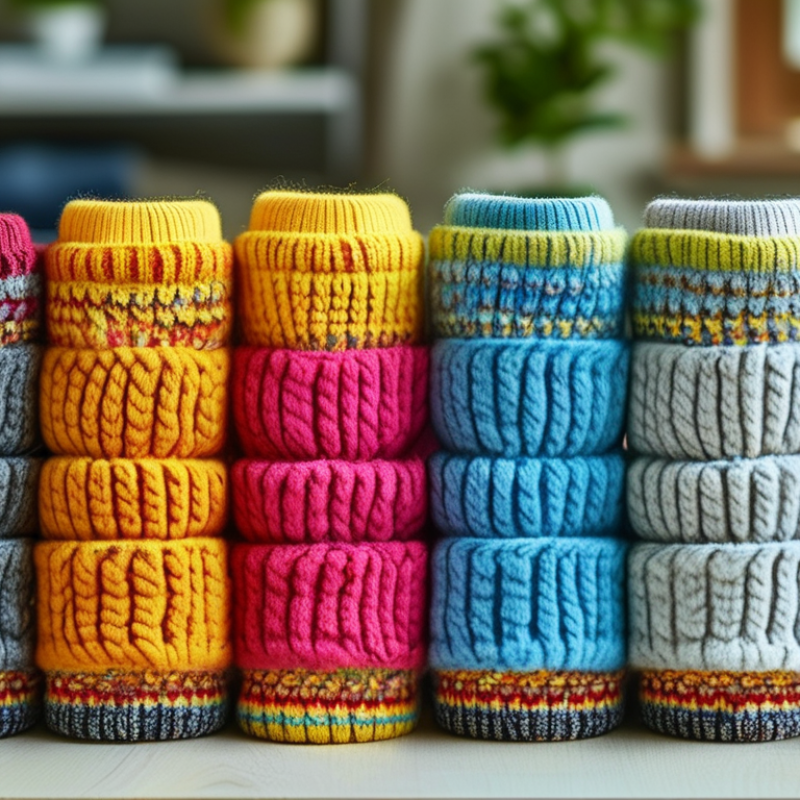
When it comes to sock durability, material choice plays a crucial role. Cotton, although comfortable, has a lower tensile strength compared to synthetic fibers. According to a 2022 report by the International Textiles Association, cotton socks can wear out 30% faster than those made of nylon or polyester. These synthetic materials are more resistant to abrasion, helping socks maintain their shape and integrity longer.
Wool blends offer another option. They provide warmth and moisture-wicking properties. A study by the Footwear and Apparel Research Council found that Merino wool socks last about 40% longer than cotton socks. This longer lifespan makes them a popular choice among outdoor enthusiasts. However, they can be more expensive and require careful care to maintain their durability.
Over time, the right fabric choice can significantly affect how quickly socks wear out. It's important to consider the activities you'd engage in. Casual wear socks could suffice for light use. For more intense use, invest in reinforced, high-performance synthetic blends or wool. Choosing the right fabric can save you money in the long run. However, even the best materials require proper maintenance.
| Fabric Type | Durability Rating | Breathability | Moisture Wicking | Common Issues |
|---|---|---|---|---|
| Cotton | 3/5 | High | Low | Pilling, Stretching |
| Wool | 4/5 | Medium | High | Shrinkage, Itchiness |
| Nylon | 4/5 | Medium | Medium | Fraying, Loss of Elasticity |
| Polyester | 3/5 | Low | Medium | Static, Fading |
| Bamboo | 4/5 | High | High | Odor Retention |
| Modal | 3/5 | High | Medium | Pilling, Stretching |
| Acrylic | 3/5 | Medium | Low | Fading, Loss of Shape |
| Spandex | 4/5 | Low | Medium | Loss of Elasticity |
| Silk | 2/5 | High | Low | Delicate, Expensive |
| Combination Blends | 4/5 | Medium | High | Variable Quality |
: Synthetic fibers like nylon and polyester are more durable than cotton. They resist abrasion well.
Cotton socks can wear out about 30% faster than those made from synthetic materials.
Yes, wool blends can last around 40% longer than cotton. They wick moisture effectively too.
The activities you do in them and proper fabric choice greatly impact how long they last.
Washing in hot water can reduce durability by up to 50%. Cold water is gentler on fabrics.
It's better to air-dry socks. Tumble drying can shrink them and hurt elasticity significantly.
Avoid stuffing them in a drawer. Rolling or laying them flat prevents compression-related damage.
Bleach and harsh detergents can deteriorate sock materials. Stick to mild detergents for better care.
Regularly check for signs of wear or thinning. Discard any socks that look worn out.
Washing in hot water and improper drying methods are common mistakes that harm longevity.
When considering what causes socks to wear out quickly, several critical factors come into play. First and foremost, the fabric used in sock production significantly impacts durability; natural materials may offer breathability, while synthetic fibers often enhance strength. Additionally, improper care during washing and drying can lead to premature deterioration, as excessive heat and harsh detergents may weaken the fibers.
Footwear friction is another key element, as poorly fitting shoes can create additional wear on socks. Furthermore, an individual's activity level directly influences sock longevity; more active lifestyles often result in faster wear. Lastly, environmental factors like humidity and temperature can also affect how long socks last, with excessive moisture potentially leading to quicker breakdown. Understanding these aspects can help consumers make informed choices and extend the life of their socks.

 Traura Sports