2026 Top Tips How to Select Socks for Team Sports?

Time:2026-10-25 Author:Sienna
0%

Choosing team-sport socks looks simple until a player finishes a match with wet feet, blisters, or sliding fabric. In 2026, performance depends on more than color matching. It depends on fit, fiber selection, cushioning, ventilation, and movement demands. The 2024 SFIA Topline Participation Report recorded 242.4 million Americans taking part in at least one sport or fitness activity in 2023. That figure shows a large and varied user base, but it does not measure sock quality directly. That limitation matters.

So, how to select socks for team sports? Start with the sport, playing surface, and athlete profile. A volleyball player may need soft cushioning during repeated jumps. A soccer player may need secure compression and low-bulk fabric inside tight boots. Basketball players often need heel stability and moisture control during sudden stops. Merino wool, polyester blends, and nylon each behave differently under heat and friction. Cotton feels familiar, yet it can hold moisture close to the skin.

Sports podiatrist Dr. Emily Splichal states, “The foot is the foundation of the body.” Her principle supports a practical decision: socks should complement footwear, not compete with it. The American Podiatric Medical Association also emphasizes proper fit and moisture management for foot comfort, although its guidance is not a ranking of team-sport socks. Real testing remains essential. Walk, sprint, cut, and jump in the complete kit. Check the heel after thirty minutes. Small wrinkles can become painful pressure points.

There is no perfect pair. Coaches sometimes overvalue compression claims. Players sometimes choose style first. This guide examines the evidence, questions marketing language, and offers practical 2026 selection tips for safer, more comfortable team performance.
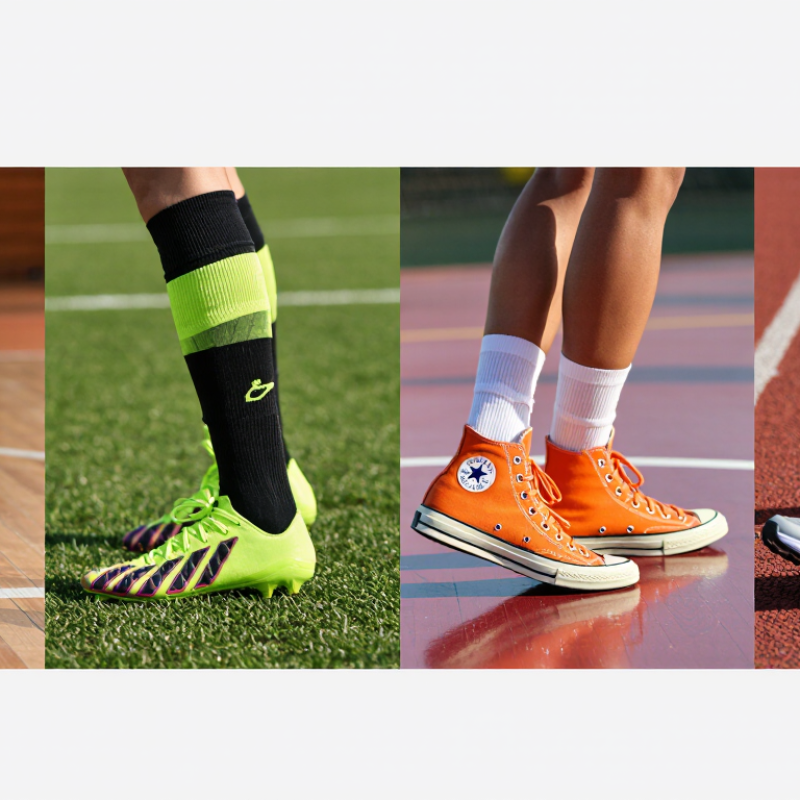
2026 Top Tips How to Select Socks for Team Sports?

Identify the Sport’s Specific Sock Performance Requirements

Team Sports Sock Selection: Identify the Sport’s Specific Performance Requirements

Sock selection should begin with the sport, not the color or team uniform. Each activity creates different pressure, friction, heat, and impact. Football players often need shin-guard compatibility, ankle support, and durable cushioning around the heel. Basketball players usually benefit from shock absorption under the heel and forefoot. The sock should stay secure during repeated jumps and sudden stops. Fit comes first.

Court sports demand stability and breathability. Volleyball and tennis players may prefer light cushioning, reinforced toes, and smooth seams that reduce rubbing during lateral movement. Running-based training requires moisture control and carefully placed padding. Thick fabric is not always better. It can trap heat and create pressure inside tight shoes. Measure the foot, check the shoe space, and test both together.

In team fitting sessions, I have noticed that athletes often choose compression without checking comfort. That choice is not always perfect. Compression should feel supportive, never numb or restrictive. For outdoor sports, wool blends or technical fibers may help manage changing temperatures, while quick-drying materials suit humid conditions. Inspect the sock after training. Flattened cushioning, stretched elastic, or persistent hot spots signal replacement. Small details matter. A sock that slips once can distract an athlete at a critical moment.

Choose the Right Materials for Comfort, Breathability, and Durability

2026 Top Tips: How to Select Socks for Team Sports?

Choosing the right material can change how your feet feel during a long match. Polyester and nylon blends dry quickly and resist repeated washing. Merino wool regulates temperature, even when the gym feels cold. It also reduces unpleasant odors, though it may cost more. Cotton feels soft at first, but it holds sweat and can create blisters. I learned this after wearing thick cotton socks during a weekend tournament. My feet stayed damp for hours.

Tip: Look for moisture-wicking fibers and mesh panels across the top of the foot. These details help heat escape during intense movement. A small amount of elastane keeps the sock secure without making it painfully tight. Check the heel and toe areas for reinforced knitting. Those zones receive the most friction from quick stops and pivots. Avoid overly thick padding if your shoes already fit closely. Extra bulk can create pressure instead of comfort.

Tip: Test socks with your actual sports shoes before buying several pairs. Walk, sprint, and change direction indoors if possible. The best pair should stay smooth around your toes and ankle. Seams can seem harmless in a shop, yet irritate skin after two hours. Durability also depends on care. Wash socks according to their fiber needs, and avoid high heat when possible. I still sometimes choose comfort over maximum lifespan, which may not be the wisest choice.

Select the Proper Fit, Cushioning, and Support Level

2026 Top Tips: How to Select Socks for Team Sports?

The proper fit begins with movement, not appearance.

A team-sport sock should sit smoothly around the heel, arch, and toes. It must not slide when you sprint, cut, or jump. Leave roughly 0.5 to 1 centimeter of space beyond the longest toe. Excess fabric creates folds and friction.

A 2017 review in the Journal of Athletic Training found that moisture and repeated friction remain major contributors to athletic blisters. This explains why a comfortable sock can become painful after one wet match.

Cushioning should match the surface and your workload.

Thin socks may improve court feel, but they offer less protection during long sessions. Moderate cushioning under the heel and forefoot can soften repeated impacts without making shoes tight. The American College of Sports Medicine recommends footwear that fits securely and allows natural foot movement. Socks should support that fit, not compensate for poor shoes.

Test them for 20 minutes during warm-ups. Check for numb toes, hot spots, or pressure across the arch.

Support is useful, but stronger is not always better.

Light arch compression may reduce slipping and improve foot awareness. Tight elastic can restrict comfort, especially when feet swell.

I once preferred thick socks for extra protection, but they made my shoes unstable. That choice was not entirely wise.

Wash and rotate pairs, then inspect stretched cuffs and flattened padding. Research on blister prevention, including reviews in sports-medicine literature, still shows mixed evidence. Your own training surface, foot shape, and sweat level deserve careful attention.

Match Sock Height and Design to Team Uniforms and Playing Conditions

Choosing team socks starts with the uniform, not the shopping list. Knee-high socks usually create a clean line with shorts and cover shin guards securely. Mid-calf styles can work for indoor sports, but they may expose protective gear during movement. Check league rules before ordering. Some competitions require matching colors, visible numbers, or specific lengths.

Playing conditions matter just as much. For hot outdoor matches, choose breathable fabric with mesh panels and light cushioning. Cold or wet fields may require denser knitting and a secure cuff. Avoid overly thick socks if players wear tight boots. They can cause pressure points, blisters, and poor control. Test socks with the actual uniform and footwear during practice. Small details matter.

In one team fitting, we chose a stylish high sock that slipped after repeated sprints. It looked right, but performed badly. That mistake changed our process. We now test elastic recovery, seam placement, and ankle support after washing. Players with sensitive skin should check fiber content and try socks gradually. A coach, kit manager, or qualified athletic trainer can review fit concerns before competition. Measure several players, because one size rarely suits everyone. Weather changes, too. A design that works in spring may feel uncomfortable during a humid summer fixture.

Check Construction Quality, Care Needs, and Overall Value

2026 Top Tips: How to Select Socks for Team Sports?

Construction quality is the first test. Inspect the toe seam, heel pocket, and arch support before buying. A flat toe seam reduces rubbing during repeated sprints. Dense knitting around the heel and forefoot helps resist early thinning.

ASTM D4966 abrasion testing is useful because it measures fabric wear under controlled rubbing. However, a laboratory score cannot fully predict performance on wet courts or rough fields.

Care needs deserve equal attention. Check the washing label, then compare it with your team’s real routine. Socks requiring delicate washing may become expensive and impractical after every match. Use cool water, mild detergent, and air drying when permitted. Avoid high heat, which can damage elastic fibers.

WRAP reports that extending clothing life by nine months can reduce carbon, water, and waste footprints by about 20–30%. That makes durability a performance issue, not only an environmental choice.

Overall value means cost per useful match, not the lowest shelf price. Textile Exchange’s 2024 Materials Market Report estimates global fiber production reached 124 million tonnes in 2023, increasing pressure to choose longer-lasting products.

I once selected heavily cushioned socks that felt excellent during warm-ups but overheated during tournaments. That mistake still matters.

Test one pair through training, washing, and competition before outfitting the whole team. Comfort is personal. Evidence should guide the final purchase.

FAQS

How should athletes choose socks for a team sport?

Start with the sport, not the uniform color. Football may need shin-guard space and heel durability. Basketball benefits from cushioning under the heel and forefoot. Fit comes first.

How should a team-sport sock fit?

It should stay smooth around the heel, arch, and toes. Leave about 0.5 to 1 centimeter beyond the longest toe. Extra fabric creates folds and rubbing. Test socks inside the actual shoes.

What cushioning level works best?

Choose cushioning based on the playing surface and training time. Moderate padding can soften repeated impacts without making shoes tight. Thin socks improve court feel but offer less protection. Thicker is not always better.

Can compression socks improve performance?

Light arch compression may reduce slipping and improve foot awareness. Compression should feel supportive, never numb or restrictive. Feet can swell during long sessions. Stronger is not automatically better.

Which sock features help during quick movements?

Look for smooth seams, reinforced toes, and secure elastic. These details reduce rubbing during sprints, jumps, and lateral cuts. A slipping sock can distract you. Small flaws matter.

Which materials suit different playing conditions?

Quick-drying fibers can help in humid conditions. Wool blends may manage changing outdoor temperatures. Thick fabric can trap heat inside tight shoes. Check your feet after training.

How can athletes judge sock construction quality?

Inspect the toe seam, heel pocket, and arch area before buying. Dense knitting around the heel and forefoot may resist early thinning. Laboratory wear results help, but they cannot predict every wet court or rough field.

How should team socks be washed and replaced?

Follow the care label and use cool water with mild detergent. Air drying helps protect elastic fibers when permitted. Replace socks with flattened cushioning, stretched cuffs, or repeated hot spots. I once ignored these signs. That was not wise.

How can teams judge overall value?

Consider the cost per useful match, not only the purchase price. Test one pair through training, washing, and competition first. Comfort differs between athletes. One trial cannot prove everything.

Conclusion

Choosing the right socks can improve comfort, stability, and performance during team sports. This guide explains how to select socks for team sports by first considering the demands of the activity, such as impact protection, flexibility, moisture control, and movement support. Materials should be breathable, comfortable, and durable enough for frequent training and competition. A proper fit is equally important: socks should stay securely in place without restricting circulation, while suitable cushioning and targeted support can help reduce friction and fatigue.

Sock height and design should complement the team uniform and match the playing environment, whether indoors, outdoors, in warm weather, or in cooler conditions. It is also important to examine construction quality, including reinforced areas, smooth seams, and reliable elasticity. Finally, consider washing requirements, expected lifespan, and overall value rather than focusing only on the initial cost. By balancing performance, comfort, appearance, maintenance, and durability, teams can choose socks that support consistent play and everyday practicality.

Sienna

Sienna

Sienna is a skilled marketing professional with a deep expertise in our company’s core products and services. With a passion for innovation and detail, she plays a pivotal role in crafting insightful blog posts that not only highlight the unique features of our offerings but also provide valuable......