When discussing the world of athletic performance, one may wonder what makes sports socks different from regular socks. Sports socks are engineered with specific features to enhance comfort and performance. According to a report by Statista, the global sports apparel market is expected to reach $200 billion by 2026. This growth highlights the increasing awareness of the importance of proper athletic gear, including socks.
Sports socks often incorporate moisture-wicking materials and targeted cushioning. These features help to manage sweat and reduce friction during intense activity. A study by the American Podiatric Medical Association found that about 70% of athletes experience foot-related issues. Proper footwear and socks can significantly mitigate these problems.
However, not all athletes recognize the advantages of specialized socks. Sometimes, they opt for regular socks out of habit. This choice can lead to discomfort and suboptimal performance. A reflective look at one’s gear choices is required to appreciate the distinct benefits that sports socks provide for active individuals.
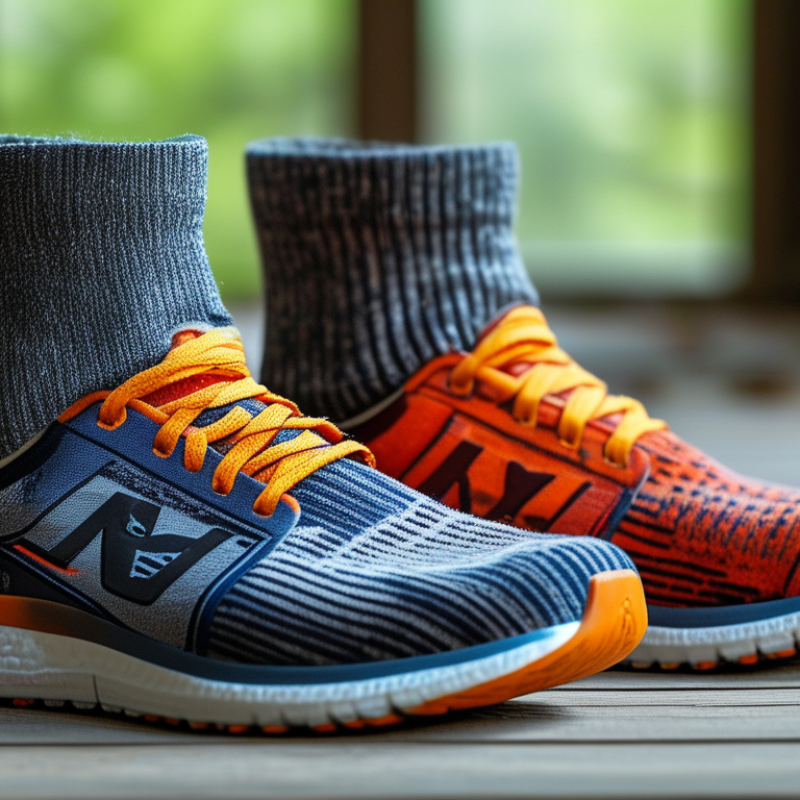
Unique Materials in Sports Socks vs. Regular Socks: An Overview
Sports socks are designed with specific materials that enhance performance. Unlike regular socks, which may focus mainly on comfort, sports socks prioritize moisture-wicking properties. Many use synthetic fibers like polyester and nylon. These materials help keep feet dry during intense activities.
Additionally, sports socks often include compression features. This provides better blood circulation, reducing fatigue. The cushioning in key areas absorbs shock effectively. Regular socks generally lack this targeted support. Not all athletes prioritize sock choice, but it can significantly affect performance.
However, some users might find sports socks less breathable than cotton alternatives. This could lead to discomfort for those not engaged in heavy activity. It's essential to identify personal needs before investing in specialized socks. Balancing comfort and function is crucial for a successful athletic experience.
Comparison of Unique Features in Sports Socks vs. Regular Socks
Moisture-Wicking Technology: Enhancing Comfort in Athletic Performance
Moisture-wicking technology is a game-changer in sports socks. Regular socks often trap sweat, leading to discomfort. In contrast, specialized sports socks draw moisture away from your skin. This keeps your feet dry during intense activities.
The fabric used in moisture-wicking socks is lightweight and breathable. This enhances airflow around your feet, reducing the risk of blisters. Athletes often face hotspots due to prolonged friction. Effective moisture management can mitigate this issue. It’s vital to choose socks designed specifically for your sport.
However, not all moisture-wicking socks perform equally. Some may lose their effectiveness after a few washes. It’s essential to look for high-quality materials that maintain their wicking properties over time. Testing different types can be a frustrating process. Yet, this experimentation can guide you to the perfect fit for your needs.
Cushioning and Support: The Impact on Injury Prevention in Sports Socks
Sports socks are designed with specific features that set them apart from regular socks. One of the key aspects is cushioning.
The strategic padding in sports socks helps distribute impact evenly. A study by the American College of Sports Medicine highlights
that proper cushioning can reduce stress on joints by up to 30%. This is crucial for athletes who engage in high-impact activities.
Support is another significant factor. Many sports socks incorporate arch support, which stabilizes the foot. A report
by the National Athletic Trainers' Association states that adequate arch support can reduce the risk of injuries,
such as plantar fasciitis, by 40%. This statistic underscores the importance of investing in the right gear.
Insufficient support in regular socks often leads to discomfort and fatigue during play.
Moisture-wicking capabilities in sports socks offer an additional layer of protection. By keeping feet dry, the risk of
blisters and fungal infections decreases. An athlete's performance can be severely affected by discomfort or injury,
which is why choosing the right sock can be a game-changer. However, not all sports socks are created equal,
and consumers must consider their individual needs for optimal performance.
The Role of Compression in Sports Socks: Benefits for Athletes and Recovery
Sports socks differ significantly from regular socks, primarily due to their design and compression features. Compression in sports socks provides several benefits vital for athletes. It helps improve blood circulation during physical activities, which can enhance performance. Better circulation delivers oxygen more efficiently to muscles, thus supporting endurance.
Compression also aids in muscle recovery post-exercise. When you wear these socks, they help reduce swelling and soreness. This accelerated recovery means athletes can train harder and recover faster. It's a simple yet effective way to enhance overall performance.
Tips: Choose the right size. Opt for socks that fit snugly but are not too tight. Test different compression levels. Each athlete’s needs vary, so find what suits you best. Always wash your socks according to the label to maintain elasticity.
Design Features of Sports Socks: Tailored Solutions for Active Lifestyles
Sports socks are distinctive due to their specialized design features tailored for active lifestyles. Unlike regular socks, they often include moisture-wicking fabrics. This feature helps keep feet dry during physical activity. A report from the Sports & Fitness Industry Association indicates that 52% of athletes consider moisture management essential when choosing socks.
The cushioning in sports socks is another unique aspect. Many designs incorporate extra padding in specific areas. This targeted support reduces the risk of blisters and enhances comfort. A survey by the American Orthopaedic Foot & Ankle Society revealed that 76% of athletes experience foot discomfort during exercise, highlighting the importance of proper cushioning.
Breathability is also a critical consideration. Mesh panels are common in sports socks, allowing for increased airflow. Enhanced ventilation helps regulate temperature and improves overall foot health. Despite these advancements, not all designs provide the expected level of support. Users sometimes report that certain materials lose their shape after a few washes, which can affect performance. Maintaining sock integrity should be a priority for manufacturers and consumers alike.
FAQS
: Sports socks are designed for cushioning and support, enhancing performance during physical activities.
Cushions distribute impact evenly, potentially reducing joint stress by up to 30% during high-impact activities.
Arch support stabilizes the foot, lowering injury risk like plantar fasciitis by 40%.
They keep feet dry, reducing the risk of blisters and fungal infections while enhancing comfort.
No, not all sports socks offer the same level of support and performance; consumers need to assess their needs.
Breathability involves mesh panels that promote airflow, helping regulate temperature and improve foot health.
Some materials may lose shape after washing, affecting support and performance long-term.
According to studies, 52% of athletes prioritize moisture management when selecting socks.
Research indicates that 76% of athletes face foot discomfort during exercise, highlighting the need for proper cushioning.
Users have reported some socks losing shape after washing, which is important to reflect on when choosing products.
Conclusion
Sports socks are specifically designed to meet the demands of athletic activities, which significantly sets them apart from regular socks. What makes sports socks different from regular socks is their use of unique materials that enhance performance, such as moisture-wicking fabrics that keep feet dry and comfortable during intense workouts. Their construction often includes specialized features like cushioning and support to help prevent injuries, making them ideal for active individuals.
Additionally, many sports socks incorporate compression technology, which improves blood circulation and aids in recovery after sports activities. The design features of these socks are tailored to accommodate the needs of various sports and fitness routines, providing additional arch support and strategic padding. Overall, the thoughtful engineering behind sports socks addresses the rigorous requirements of an active lifestyle, ensuring athletes can perform at their best.

 Traura Sports